Glutamate
What is Glutamate?
Glutamate is a type of amino acid, a building block for proteins. It occurs naturally in many foods, including meats, fish, vegetables, and dairy products. It can also be produced industrially through fermentation, often using bacteria to convert carbohydrates into glutamate.
Is Glutamate gluten-free?
It does not contain gluten.
Is Glutamate a major allergen?
Glutamate is not derived from any of the 9 FDA major allergens.
What is Glutamate used for?
Manufacturers add glutamate, often in the form of monosodium glutamate (MSG), to enhance the savory (umami) taste of foods.
Is Glutamate safe?
In the U.S., glutamate, including MSG, is generally recognized as safe (GRAS) by the FDA.
Why it's used
Manufacturers add glutamate, often in the form of monosodium glutamate (MSG), to enhance the savory (umami) taste of foods. It is commonly found in seasoning mixes, marinades, salad dressings, sauces, and processed meats, where it helps to deepen and round out flavors.
Health notes
In the U.S., glutamate, including MSG, is generally recognized as safe (GRAS) by the FDA. Some individuals report sensitivity to MSG, experiencing symptoms like headaches or flushing, though controlled scientific studies have not consistently linked MSG to these reactions in the general population. JECFA (Joint FAO/WHO Expert Committee on Food Additives) has evaluated glutamate and established an acceptable daily intake. EFSA (European Food Safety Authority) has also evaluated glutamate and set a group acceptable daily intake for glutamic acid and its salts.
Allergen info
Glutamate is not derived from any of the 9 FDA major allergens. It does not contain gluten.
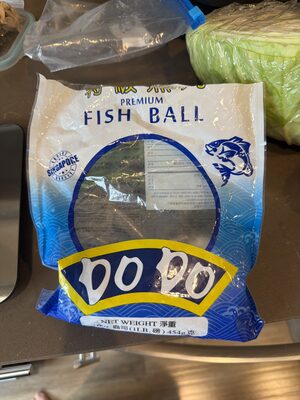
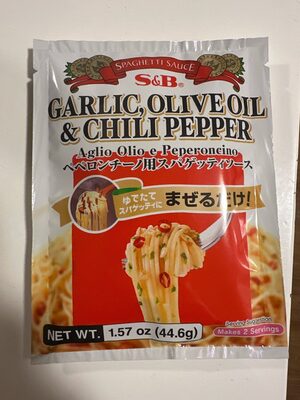
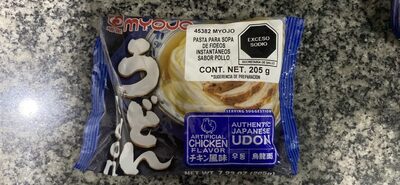
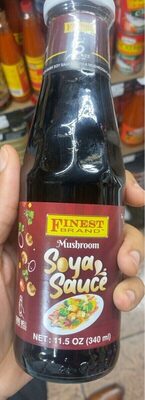
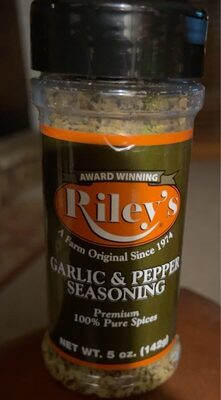
Foods that contain Glutamate
Compare products →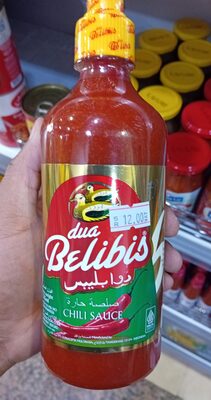
Learn more
Auto-generated content. This description was generated automatically and is pending editorial review. Inaccuracies are possible. Found a mistake? Contact us.