Glutinous Rice
Auto-generated content. This description was generated automatically and is pending editorial review. Inaccuracies are possible. Found a mistake? Contact us.
What it is
Glutinous rice, also known as sticky rice or sweet rice, is a type of rice that becomes exceptionally sticky when cooked. It is a variety of rice (Oryza sativa L.) that is widely cultivated in Asia and is a staple food in many countries. The stickiness comes from its high content of a specific type of starch called amylopectin.
Why it's used
Manufacturers use glutinous rice for its unique texture and binding properties, especially in Asian cuisine. It is commonly found in desserts, snacks, and savory dishes where a chewy or sticky consistency is desired. Examples include rice cakes, puddings, dumplings, and sushi.
Health notes
Glutinous rice is a grain and a source of carbohydrates, providing energy. It is generally recognized as safe (GRAS) by the FDA when used as a food ingredient. International bodies like JECFA have evaluated rice and its components. Like other rice varieties, it contains arsenic, and the FDA recommends limiting intake of rice and rice products, especially for pregnant women, nursing mothers, and young children.
Allergen info
Glutinous rice is not one of the 9 FDA major allergens. It does not contain gluten.
Products containing Glutinous Rice
Compare products →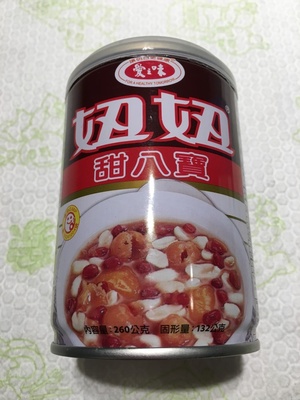 AGV
Agv, Neo Neo Ten Huba, Instant Cereal
73kcal
1.5Protein
0.4Fat
15.8Carbs
CHIN CHIN
Chin Chin, Lotus Oatmeal
84kcal
0Protein
1.2Fat
16.9Carbs
FLAVE!
Flave!, Cajun Mix
536kcal
10.7Protein
28.6Fat
53.6Carbs
AGV
Agv, Neo Neo Ten Huba, Instant Cereal
73kcal
1.5Protein
0.4Fat
15.8Carbs
CHIN CHIN
Chin Chin, Lotus Oatmeal
84kcal
0Protein
1.2Fat
16.9Carbs
FLAVE!
Flave!, Cajun Mix
536kcal
10.7Protein
28.6Fat
53.6Carbs
 SEOUL TRADING
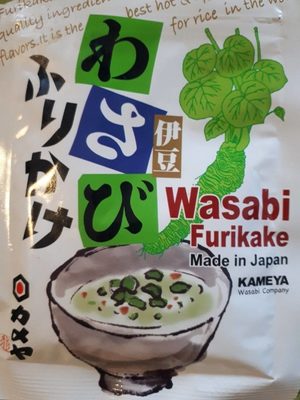
Seoul Trading, Instant Seasoning, Wasabi Furikake
400kcal
20Protein
10Fat
40Carbs
YOUNG ELEPHANT
Glutinous Rice
360kcal
6Protein
0Fat
84Carbs
PATCHUN
Rice Vinegar
0kcal
0Protein
0Fat
0Carbs
SEOUL TRADING
Seoul Trading, Instant Seasoning, Wasabi Furikake
400kcal
20Protein
10Fat
40Carbs
YOUNG ELEPHANT
Glutinous Rice
360kcal
6Protein
0Fat
84Carbs
PATCHUN
Rice Vinegar
0kcal
0Protein
0Fat
0Carbs
 Q TAIWAN DESSERT
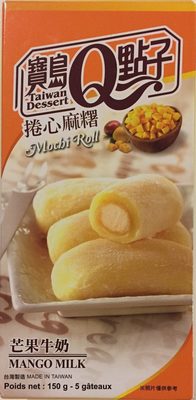
Mango Milk Mochi Roll (Glutnous Rice Cake)
310kcal
3.3Protein
3.3Fat
70Carbs
BOURBON
Japanese Baked Rice Cracker
500kcal
10Protein
26.7Fat
56.7Carbs
Q TAIWAN DESSERT
Mango Milk Mochi Roll (Glutnous Rice Cake)
310kcal
3.3Protein
3.3Fat
70Carbs
BOURBON
Japanese Baked Rice Cracker
500kcal
10Protein
26.7Fat
56.7Carbs
 HINODE ONMIRIN
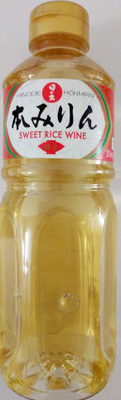
Sweet Rice Wine
267kcal
0Protein
0Fat
46.7Carbs
NOT A BRANDED ITEM
Sweet Red Bean And Chestnut Porridge
High in sodium — 25% DV per serving
105kcal
2.5Protein
0Fat
23.5Carbs
NOT A BRANDED ITEM
Sanko No Kaki No Tane Ume Zarame Rice Cracker
500kcal
16.7Protein
26.7Fat
53.3Carbs
HINODE ONMIRIN
Sweet Rice Wine
267kcal
0Protein
0Fat
46.7Carbs
NOT A BRANDED ITEM
Sweet Red Bean And Chestnut Porridge
High in sodium — 25% DV per serving
105kcal
2.5Protein
0Fat
23.5Carbs
NOT A BRANDED ITEM
Sanko No Kaki No Tane Ume Zarame Rice Cracker
500kcal
16.7Protein
26.7Fat
53.3Carbs