Gnocchi
What is Gnocchi?
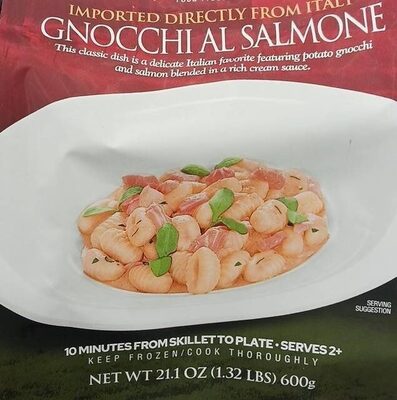
Gnocchi are small Italian dumplings traditionally made from potato, semolina flour, or wheat flour. They are typically boiled or baked before being served with a sauce. Modern variations may include other ingredients like ricotta cheese or spinach.
Is Gnocchi gluten-free?
Gnocchi made with wheat flour contains gluten, a protein found in wheat.
What is Gnocchi used for?
Gnocchi are primarily used as a pasta-like base in dishes, often paired with various sauces like tomato, pesto, or cream-based options.
Is Gnocchi safe?
Gnocchi itself is a food product and not typically evaluated as a food additive.
Why it's used
Gnocchi are primarily used as a pasta-like base in dishes, often paired with various sauces like tomato, pesto, or cream-based options. Manufacturers include them in packaged meals, frozen entrees, and deli items as a carbohydrate component.
Health notes
Gnocchi itself is a food product and not typically evaluated as a food additive. The U.S. Food and Drug Administration (FDA) generally recognizes ingredients commonly found in gnocchi, such as flour and potato, as safe when used as intended. Nutritional content varies based on preparation, with potato and flour providing carbohydrates. Some commercial preparations might contain added salt or fats.
Allergen info
Gnocchi made with wheat flour contains gluten, a protein found in wheat. If eggs are used in the recipe, it would be considered a major allergen. Check product labels for specific ingredients.
Foods that contain Gnocchi
Compare products →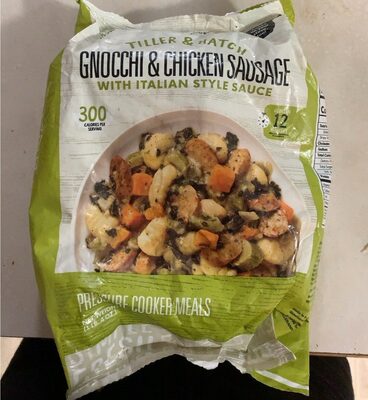
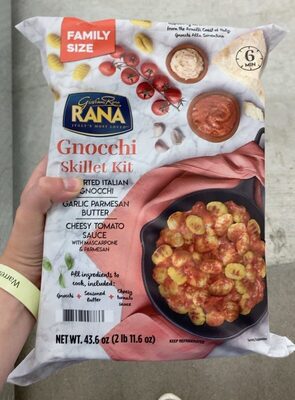
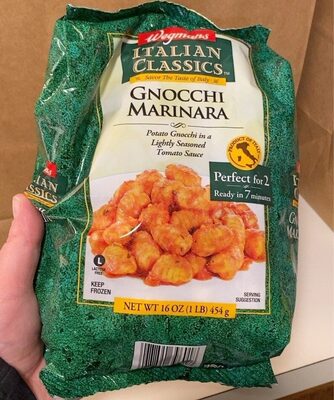
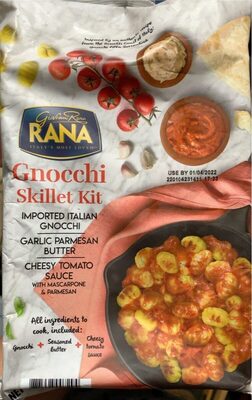
Learn more
Auto-generated content. This description was generated automatically and is pending editorial review. Inaccuracies are possible. Found a mistake? Contact us.