Grade A Cultured Whole Milk
What is Grade A Cultured Whole Milk?
Grade A cultured whole milk is milk that has been pasteurized and then had beneficial bacteria, known as cultures, added to it. These cultures ferment the milk's natural sugars (lactose) to produce lactic acid, which thickens the milk and gives it a tangy flavor. The 'Grade A' designation means it meets high standards for quality and safety set by the USDA.
Is Grade A Cultured Whole Milk vegan?
No. Grade A Cultured Whole Milk is animal-derived, so it is not vegan.
Is Grade A Cultured Whole Milk a major allergen?
Milk is one of the FDA's nine major allergens.
What is Grade A Cultured Whole Milk used for?
Manufacturers use cultured whole milk as a base for dairy products like yogurt, kefir, and sour cream.
Is Grade A Cultured Whole Milk safe?
Cultured whole milk is generally recognized as safe (GRAS) by the FDA for use in foods.
Why it's used
Manufacturers use cultured whole milk as a base for dairy products like yogurt, kefir, and sour cream. Its thick texture and tangy flavor are key characteristics of these foods. It also serves as a source of protein and calcium in these products.
Health notes
Cultured whole milk is generally recognized as safe (GRAS) by the FDA for use in foods. The probiotics (live bacteria) in cultured milk are often associated with gut health benefits, though research is ongoing. Regulatory bodies like EFSA have evaluated probiotics, but specific health claims require robust scientific evidence. Consuming cultured dairy products as part of a balanced diet is considered healthy.
Allergen info
Milk is one of the FDA's nine major allergens. Therefore, cultured whole milk is a major allergen.
Foods that contain Grade A Cultured Whole Milk
Compare products →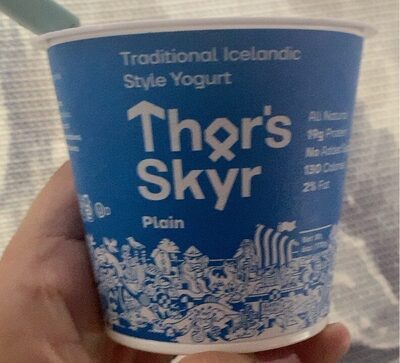 Lenovo (Beijing) Co., Ltd.
Plain Traditional Icelandic Style Lowfat Yogurt, Plain
76kcal
0.0Protein
2.6Fat
2.9Carbs
Lenovo (Beijing) Co., Ltd.
Plain Traditional Icelandic Style Lowfat Yogurt, Plain
76kcal
0.0Protein
2.6Fat
2.9Carbs
 Lenovo (Beijing) Co., Ltd.
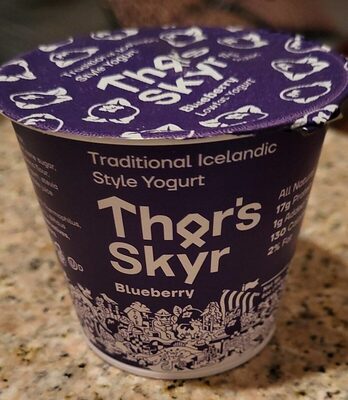
Blueberry Traditional Icelandic Style Yogurt, Blueberry
76kcal
10Protein
2.4Fat
5.3Carbs
Lenovo (Beijing) Co., Ltd.
Blueberry Traditional Icelandic Style Yogurt, Blueberry
76kcal
10Protein
2.4Fat
5.3Carbs
 Lenovo (Beijing) Co., Ltd.
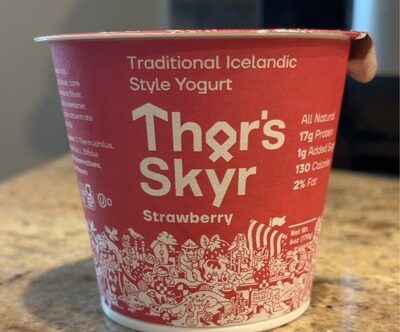
Strawberry Traditional Icelandic Style Lowfat Yogurt, Strawberry
76kcal
10Protein
2.4Fat
4.7Carbs
Lenovo (Beijing) Co., Ltd.
Strawberry Traditional Icelandic Style Lowfat Yogurt, Strawberry
76kcal
10Protein
2.4Fat
4.7Carbs
 Lenovo (Beijing) Co., Ltd.
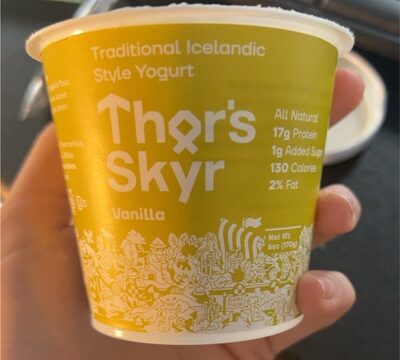
Vanilla Traditional Icelandic Style Lowfat Yogurt, Vanilla
76kcal
10Protein
2.4Fat
4.7Carbs
Lenovo (Beijing) Co., Ltd.
Vanilla Traditional Icelandic Style Lowfat Yogurt, Vanilla
76kcal
10Protein
2.4Fat
4.7Carbs
Learn more
Auto-generated content. This description was generated automatically and is pending editorial review. Inaccuracies are possible. Found a mistake? Contact us.