Grade A Pasteurized Whole Milk And Live Cultures
What is Grade A Pasteurized Whole Milk And Live Cultures?
Grade A pasteurized whole milk is milk that has been heated to a specific temperature for a set amount of time to kill harmful bacteria. It is then cooled and put into containers. Live cultures are beneficial bacteria, often added to milk to make products like yogurt and kefir.
Is Grade A Pasteurized Whole Milk And Live Cultures vegan?
No. Grade A Pasteurized Whole Milk And Live Cultures is animal-derived, so it is not vegan.
Is Grade A Pasteurized Whole Milk And Live Cultures a major allergen?
Milk is one of the 9 major allergens recognized by the FDA.
What is Grade A Pasteurized Whole Milk And Live Cultures used for?
Manufacturers add live cultures to milk to ferment it, creating products with a tangy flavor and thicker texture, such as yogurt and cheese.
Is Grade A Pasteurized Whole Milk And Live Cultures safe?
Milk is a source of calcium, vitamin D, and protein.
Why it's used
Manufacturers add live cultures to milk to ferment it, creating products with a tangy flavor and thicker texture, such as yogurt and cheese. These cultures contribute to the characteristic taste and consistency of fermented dairy products.
Health notes
Milk is a source of calcium, vitamin D, and protein. The live cultures, often referred to as probiotics, are beneficial bacteria that may support gut health. The FDA considers pasteurized milk safe for consumption. International bodies like the WHO have not specifically evaluated live cultures in this context.
Allergen info
Milk is one of the 9 major allergens recognized by the FDA. This ingredient is derived from milk.
Foods that contain Grade A Pasteurized Whole Milk And Live Cultures
Compare products →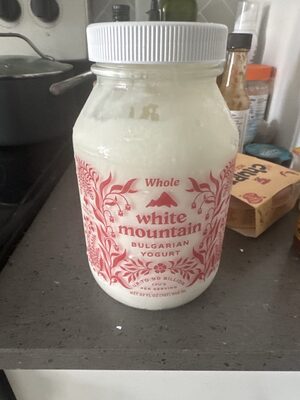 Purist Foods
Whole Probiotic Bulgarian Yogurt
High in saturated fat — 23% DV per serving
59kcal
5.5Protein
3.4Fat
2.1Carbs
Purist Foods
Whole Probiotic Bulgarian Yogurt
High in saturated fat — 23% DV per serving
59kcal
5.5Protein
3.4Fat
2.1Carbs
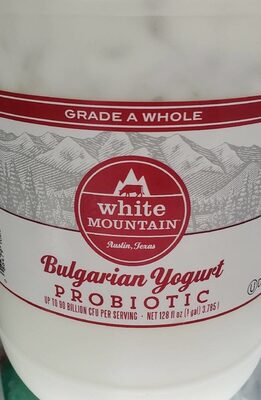 Purist Foods
Whole Probiotic Bulgarian Yogurt
High in saturated fat — 25% DV per serving
59kcal
3.4Protein
3.4Fat
3.8Carbs
Purist Foods
Whole Probiotic Bulgarian Yogurt
High in saturated fat — 25% DV per serving
59kcal
3.4Protein
3.4Fat
3.8Carbs
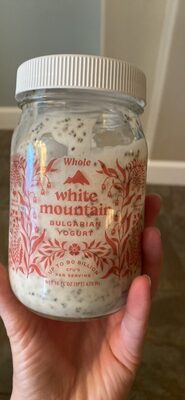 Purist Foods
Whole Probiotic Bulgarian Yogurt
High in saturated fat — 25% DV per serving
59kcal
3.4Protein
3.4Fat
3.8Carbs
Roundbook Publishing Group, Inc.
Bollywood Tikka Masala, Roasted Cauliflower Red Onion, Mozzarella Pizza, Bollywood
High in sodium — 28% DV per serving
High in saturated fat — 22% DV per serving
203kcal
9.5Protein
5.4Fat
29.7Carbs
Purist Foods
Whole Probiotic Bulgarian Yogurt
High in saturated fat — 25% DV per serving
59kcal
3.4Protein
3.4Fat
3.8Carbs
Roundbook Publishing Group, Inc.
Bollywood Tikka Masala, Roasted Cauliflower Red Onion, Mozzarella Pizza, Bollywood
High in sodium — 28% DV per serving
High in saturated fat — 22% DV per serving
203kcal
9.5Protein
5.4Fat
29.7Carbs
Learn more
Auto-generated content. This description was generated automatically and is pending editorial review. Inaccuracies are possible. Found a mistake? Contact us.