Grade A Pasteurized
Auto-generated content. This description was generated automatically and is pending editorial review. Inaccuracies are possible. Found a mistake? Contact us.
What it is
Grade A pasteurized milk is milk that has been heated to at least 161°F (72°C) for 15 seconds, or a higher temperature for a shorter time. This process kills most harmful bacteria and extends the milk's shelf life. It is the standard for milk sold in the United States.
Why it's used
Grade A pasteurized milk is the base ingredient for a wide variety of dairy products. It is commonly used in the production of yogurt, cheese, butter, ice cream, and other milk-based beverages and desserts. Its heat treatment makes it safe for direct consumption and further processing.
Health notes
Grade A pasteurized milk is a nutrient-rich food, providing calcium, vitamin D, and protein. The FDA requires milk sold in the US to be pasteurized to ensure safety. International bodies like the WHO have also recognized pasteurization as a key public health measure. Consumption of milk and dairy products is generally considered part of a healthy diet by dietary guidelines.
Allergen info
Milk is one of the 9 FDA major allergens. Grade A pasteurized milk is derived from milk.
Products containing Grade A Pasteurized
Compare products →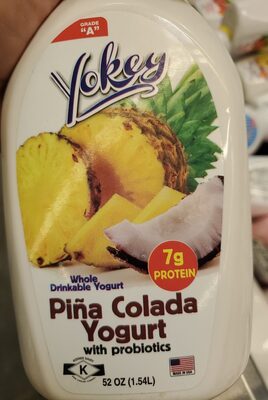 Buck Creek Ostrich Products
Pina Colada Whole Yogurt, Pina Colada
High in saturated fat — 25% DV per serving
High in added sugars — 20% DV per serving
83kcal
3.3Protein
3.3Fat
9.6Carbs
Buck Creek Ostrich Products
Pina Colada Whole Yogurt, Pina Colada
High in saturated fat — 25% DV per serving
High in added sugars — 20% DV per serving
83kcal
3.3Protein
3.3Fat
9.6Carbs
 Grace Harbor Farms, Inc.
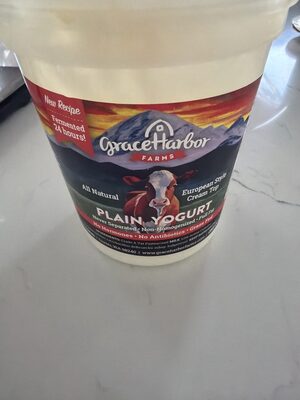
Natural Guernsey Yogurt, Plain
63kcal
3.6Protein
3.6Fat
4.5Carbs
Grace Harbor Farms, Inc.
Grace Harbor Farms, Natural Guernsey Yogurt, Vanilla, Vanilla
84kcal
3.5Protein
3.5Fat
15.0Carbs
Grace Harbor Farms, Inc.
Natural Guernsey Yogurt, Plain
63kcal
3.6Protein
3.6Fat
4.5Carbs
Grace Harbor Farms, Inc.
Grace Harbor Farms, Natural Guernsey Yogurt, Vanilla, Vanilla
84kcal
3.5Protein
3.5Fat
15.0Carbs
 Grace Harbor Farms, Inc.
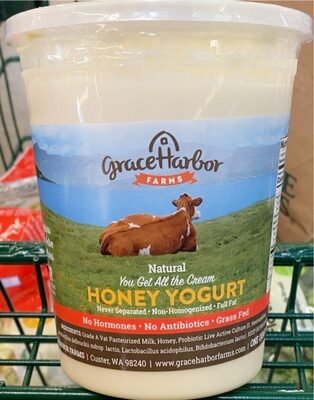
Natural Guernsey Yogurt, Honey
84kcal
3.5Protein
3.5Fat
15.0Carbs
Grace Harbor Farms, Inc.
Grace Harbor Farms, Natural Yogurt, Plain
High in saturated fat — 23% DV per serving
72kcal
3.5Protein
3.5Fat
6.9Carbs
Grace Harbor Farms, Inc.
Natural Guernsey Yogurt, Honey
84kcal
3.5Protein
3.5Fat
15.0Carbs
Grace Harbor Farms, Inc.
Grace Harbor Farms, Natural Yogurt, Plain
High in saturated fat — 23% DV per serving
72kcal
3.5Protein
3.5Fat
6.9Carbs