Non-homogenized Guernsey Cow Milk
What is Non-homogenized Guernsey Cow Milk?
Milk from Guernsey cows that has not undergone homogenization. Homogenization is a process that breaks down fat globules in milk to prevent cream from separating and rising to the top. Non-homogenized milk retains its natural fat structure, and cream will naturally separate and form a layer.
Is Non-homogenized Guernsey Cow Milk vegan?
No. Non-homogenized Guernsey Cow Milk is animal-derived, so it is not vegan.
Is Non-homogenized Guernsey Cow Milk a major allergen?
Milk is one of the 9 major allergens recognized by the FDA.
What is Non-homogenized Guernsey Cow Milk used for?
Manufacturers use non-homogenized milk for its rich flavor and creamy texture, which can enhance the taste and mouthfeel of dairy products.
Is Non-homogenized Guernsey Cow Milk safe?
Non-homogenized milk is regulated as a raw or pasteurized milk product by state and federal agencies.
Why it's used
Manufacturers use non-homogenized milk for its rich flavor and creamy texture, which can enhance the taste and mouthfeel of dairy products. It is often found in yogurts, cheeses, and ice creams where a more traditional, full-bodied dairy profile is desired.
Health notes
Non-homogenized milk is regulated as a raw or pasteurized milk product by state and federal agencies. The FDA considers pasteurized milk and cream to be GRAS (Generally Recognized As Safe). Some people prefer non-homogenized milk believing it is more digestible or nutritious, but scientific evidence to support these claims is limited. The primary nutritional components are the same as homogenized milk.
Allergen info
Milk is one of the 9 major allergens recognized by the FDA. Therefore, non-homogenized Guernsey cow milk is a major allergen.
Foods that contain Non-homogenized Guernsey Cow Milk
Compare products →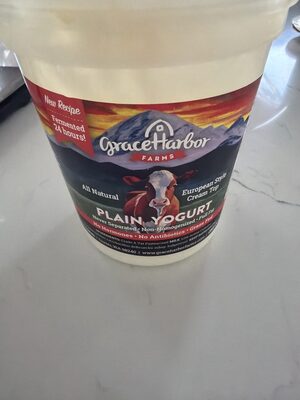
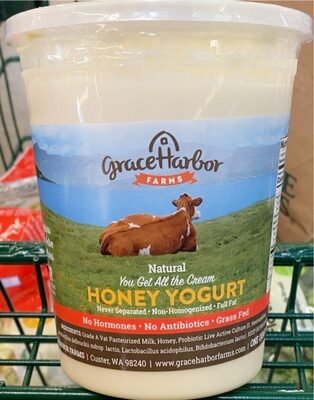
Learn more
Auto-generated content. This description was generated automatically and is pending editorial review. Inaccuracies are possible. Found a mistake? Contact us.