Grain-free Blend
Auto-generated content. This description was generated automatically and is pending editorial review. Inaccuracies are possible. Found a mistake? Contact us.
What it is
A grain-free blend is a mixture of ingredients that typically replaces traditional grains like wheat, corn, or rice. It often includes a combination of flours and starches derived from sources such as coconut, tapioca, peas, or potatoes. These blends are designed to mimic the texture and baking properties of grain-based flours.
Why it's used
Manufacturers use grain-free blends to create products suitable for individuals avoiding grains, often for dietary preferences or perceived health benefits. They are commonly found in baked goods like crackers, cookies, and bread, as well as in snack foods and pet food. The blend aims to provide structure and texture without using conventional grain flours.
Health notes
Grain-free blends are not subject to specific FDA regulations as a single ingredient but are composed of individual components that are regulated. The health implications depend on the specific ingredients within the blend. Some research suggests that grain-free diets may be beneficial for certain individuals with specific health conditions, while other reviews indicate no significant health advantages for the general population. Regulatory bodies like EFSA have evaluated many individual ingredients commonly found in these blends.
Allergen info
The allergen status depends on the specific ingredients in the blend. Coconut is not a major allergen. However, blends may contain other ingredients derived from major allergens like tree nuts or soy, or be processed in facilities that handle them. Gluten is not present unless specifically added.
Products containing Grain-free Blend
Compare products →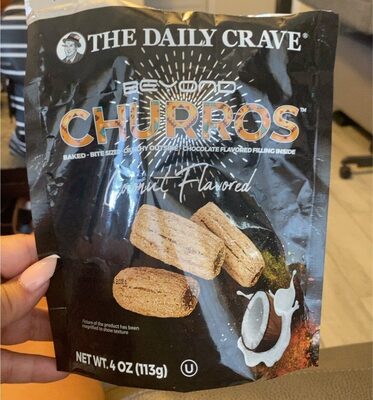 Natural Intentions, Inc.
Coconut Flavored Churros, Coconut
464kcal
14.3Protein
25Fat
57.1Carbs
Natural Intentions, Inc.
Coconut Flavored Churros, Coconut
464kcal
14.3Protein
25Fat
57.1Carbs
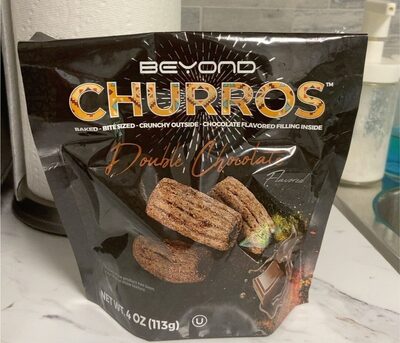 Natural Intentions, Inc.
Double Chocolate Flavored Churros, Double Chocolate
464kcal
14.3Protein
25Fat
57.1Carbs
Natural Intentions, Inc.
Himalayan Pink Salt Flavored Puffs, Himalayan Pink Salt
429kcal
17.9Protein
17.9Fat
46.4Carbs
Natural Intentions, Inc.
Vegan Cheddar Flavored Puffs, Vegan Cheddar
429kcal
17.9Protein
17.9Fat
50Carbs
Natural Intentions, Inc.
Vegan Sriracha Flavored Puffs, Vegan Sriracha
429kcal
17.9Protein
17.9Fat
50Carbs
Natural Intentions, Inc.
Vegan White Cheddar Flavored Puffs, Vegan White Cheddar
429kcal
17.9Protein
17.9Fat
50Carbs
Pamela's Products Inc.
Grain Free Graham Style Crackers, Grain Free
High in saturated fat — 22% DV per serving
444kcal
5.6Protein
25Fat
61.1Carbs
Natural Intentions, Inc.
Double Chocolate Flavored Churros, Double Chocolate
464kcal
14.3Protein
25Fat
57.1Carbs
Natural Intentions, Inc.
Himalayan Pink Salt Flavored Puffs, Himalayan Pink Salt
429kcal
17.9Protein
17.9Fat
46.4Carbs
Natural Intentions, Inc.
Vegan Cheddar Flavored Puffs, Vegan Cheddar
429kcal
17.9Protein
17.9Fat
50Carbs
Natural Intentions, Inc.
Vegan Sriracha Flavored Puffs, Vegan Sriracha
429kcal
17.9Protein
17.9Fat
50Carbs
Natural Intentions, Inc.
Vegan White Cheddar Flavored Puffs, Vegan White Cheddar
429kcal
17.9Protein
17.9Fat
50Carbs
Pamela's Products Inc.
Grain Free Graham Style Crackers, Grain Free
High in saturated fat — 22% DV per serving
444kcal
5.6Protein
25Fat
61.1Carbs