Granular And Semi-soft Cheese
What is Granular And Semi-soft Cheese?
Granular and semi-soft cheese refers to a category of cheeses that have a firm, granular texture but are still somewhat pliable. These cheeses are typically made by coagulating milk, separating the curds from the whey, and then pressing and aging the curds. The aging process contributes to their distinct flavor and texture.
Is Granular And Semi-soft Cheese vegan?
No. Granular And Semi-soft Cheese is animal-derived, so it is not vegan.
Is Granular And Semi-soft Cheese a major allergen?
This ingredient is derived from milk, which is one of the nine major food allergens identified by the FDA.
What is Granular And Semi-soft Cheese used for?
Manufacturers add granular and semi-soft cheese to packaged foods primarily for its savory flavor, creamy texture, and as a source of dairy.
Is Granular And Semi-soft Cheese safe?
In the US, cheese is regulated as a food product.
Why it's used
Manufacturers add granular and semi-soft cheese to packaged foods primarily for its savory flavor, creamy texture, and as a source of dairy. It is commonly found in dishes like pasta, macaroni and cheese, chili, and other savory meals where a cheesy component is desired.
Health notes
In the US, cheese is regulated as a food product. It is a source of protein and calcium, but can also contribute saturated fat and sodium to the diet. The FDA recognizes cheese as a common food ingredient. JECFA and EFSA typically evaluate food additives rather than whole food categories like cheese.
Allergen info
This ingredient is derived from milk, which is one of the nine major food allergens identified by the FDA.
Foods that contain Granular And Semi-soft Cheese
Compare products →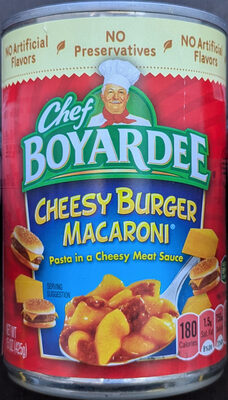 Conagra Brands
Chef Boyardee Cheesy Burger Macaroni, 15 oz, 15 OZ
High in sodium — 33% DV per serving
71kcal
3.2Protein
1.6Fat
10.7Carbs
Conagra Brands
BANQUET Homestyle Bakes Cheeseburger Mac
High in sodium — 34% DV per serving
125kcal
5.2Protein
3.1Fat
18.8Carbs
Advanced Nutritional Labs, Inc.
Cheesy Burger Macaroni Pasta In A Cheesy Meat Sauce, Cheesy Burger Macaroni
High in sodium — 33% DV per serving
71kcal
3.2Protein
1.6Fat
10.7Carbs
Conagra Brands
Chef Boyardee Cheesy Burger Macaroni, 15 oz, 15 OZ
High in sodium — 33% DV per serving
71kcal
3.2Protein
1.6Fat
10.7Carbs
Conagra Brands
BANQUET Homestyle Bakes Cheeseburger Mac
High in sodium — 34% DV per serving
125kcal
5.2Protein
3.1Fat
18.8Carbs
Advanced Nutritional Labs, Inc.
Cheesy Burger Macaroni Pasta In A Cheesy Meat Sauce, Cheesy Burger Macaroni
High in sodium — 33% DV per serving
71kcal
3.2Protein
1.6Fat
10.7Carbs
Learn more
Auto-generated content. This description was generated automatically and is pending editorial review. Inaccuracies are possible. Found a mistake? Contact us.