Granular Cheese & Parmesan Cheese
What is Granular Cheese & Parmesan Cheese?
Granular cheese refers to a category of hard, aged cheeses that have a firm, crumbly texture, often used for grating. Parmesan cheese is a well-known type of granular cheese, traditionally made from cow's milk and aged for an extended period, developing a rich, savory flavor.
Is Granular Cheese & Parmesan Cheese vegan?
No. Granular Cheese & Parmesan Cheese is animal-derived, so it is not vegan.
Is Granular Cheese & Parmesan Cheese a major allergen?
Cheese is derived from milk, which is one of the nine major food allergens identified by the FDA.
What is Granular Cheese & Parmesan Cheese used for?
Manufacturers add granular and Parmesan cheeses primarily for their distinct savory flavor and texture.
Is Granular Cheese & Parmesan Cheese safe?
Cheese, including granular and Parmesan varieties, is generally recognized as safe (GRAS) by the FDA as a food ingredient.
Why it's used
Manufacturers add granular and Parmesan cheeses primarily for their distinct savory flavor and texture. They are frequently used in pasta dishes, sauces, soups, and as a topping for various foods to enhance taste and provide a characteristic cheesy mouthfeel.
Health notes
Cheese, including granular and Parmesan varieties, is generally recognized as safe (GRAS) by the FDA as a food ingredient. It is a source of protein, calcium, and fat, and can contribute to the sodium content of foods. JECFA and EFSA do not typically evaluate whole food ingredients like cheese in the same way they assess food additives.
Allergen info
Cheese is derived from milk, which is one of the nine major food allergens identified by the FDA.
Foods that contain Granular Cheese & Parmesan Cheese
Compare products →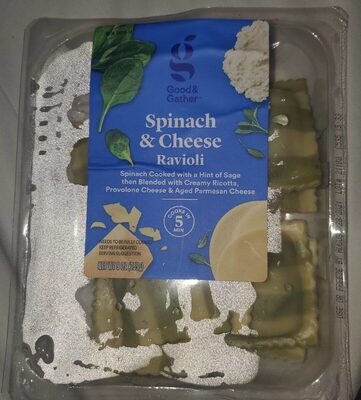 Target Stores
Spinach & Cheese Ravioli, Spinach & Cheese
High in saturated fat — 25% DV per serving
220kcal
11Protein
8Fat
26Carbs
Target Stores
Spinach & Cheese Ravioli, Spinach & Cheese
High in saturated fat — 25% DV per serving
220kcal
11Protein
8Fat
26Carbs
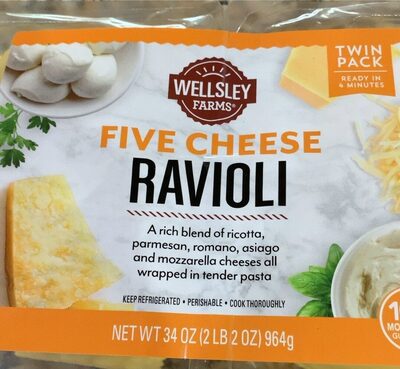 BJ's Wholesale Club / Corporate Brands
Five Cheese A Rich Blend Of Ricotta, Parmesan, Romano, Asiago And Mozzarella Cheeses All Wrapped In Tender Pasta Ravioli, Five Cheese
High in saturated fat — 30% DV per serving
250kcal
13Protein
10Fat
27Carbs
Target Stores
Carbonara Ravioli, Carbonara
High in saturated fat — 30% DV per serving
260kcal
12Protein
11Fat
26Carbs
Target Stores
Mushroom & Cheese Ravioli, Mushroom & Cheese
High in saturated fat — 30% DV per serving
240kcal
10Protein
10Fat
29Carbs
BJ's Wholesale Club / Corporate Brands
Five Cheese A Rich Blend Of Ricotta, Parmesan, Romano, Asiago And Mozzarella Cheeses All Wrapped In Tender Pasta Ravioli, Five Cheese
High in saturated fat — 30% DV per serving
250kcal
13Protein
10Fat
27Carbs
Target Stores
Carbonara Ravioli, Carbonara
High in saturated fat — 30% DV per serving
260kcal
12Protein
11Fat
26Carbs
Target Stores
Mushroom & Cheese Ravioli, Mushroom & Cheese
High in saturated fat — 30% DV per serving
240kcal
10Protein
10Fat
29Carbs
Learn more
Auto-generated content. This description was generated automatically and is pending editorial review. Inaccuracies are possible. Found a mistake? Contact us.