Granulated Sugar
What is Granulated Sugar?
Granulated sugar, also known as sucrose, is a common type of sugar made from sugar cane or sugar beets. It is produced by extracting the juice from these plants, purifying it, and then crystallizing the sucrose.
Is Granulated Sugar vegan?
Granulated Sugar is not animal-derived. Products that contain it can still include other animal-derived ingredients, so check the full ingredient list.
Is Granulated Sugar a major allergen?
Not a major allergen.
What is Granulated Sugar used for?
Manufacturers add granulated sugar primarily as a sweetener to enhance flavor in a wide range of products.
Is Granulated Sugar safe?
Granulated sugar is generally recognized as safe (GRAS) by the U.S. Food and Drug Administration (FDA).
Why it's used
Manufacturers add granulated sugar primarily as a sweetener to enhance flavor in a wide range of products. It also contributes to texture, browning, and acts as a preservative in many processed foods, including baked goods, beverages, and desserts.
Health notes
Granulated sugar is generally recognized as safe (GRAS) by the U.S. Food and Drug Administration (FDA). While it provides energy, consuming too much added sugar is associated with health concerns such as obesity, type 2 diabetes, and heart disease. The Dietary Guidelines for Americans (2025-2030) recommend no amount of added sugars, and at most 10 grams of added sugars per meal; the World Health Organization (WHO) advises limiting free sugars to less than 10% of total energy intake. The Joint FAO/WHO Expert Committee on Food Additives (JECFA) has evaluated sucrose and did not set a numeric limit (ADI not specified) as it is considered a food, and the European Food Safety Authority (EFSA) has also evaluated sugars as part of the diet.
Allergen info
Not a major allergen.
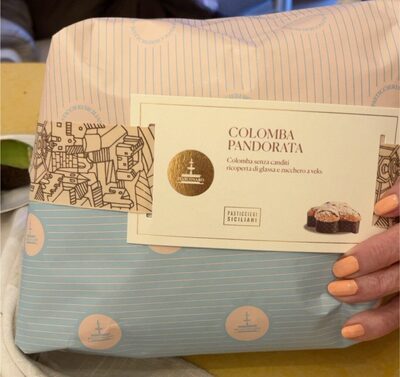
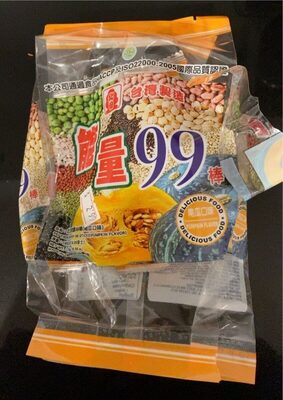
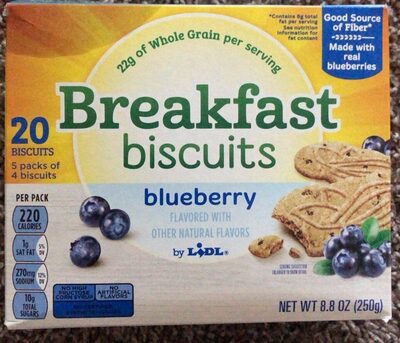
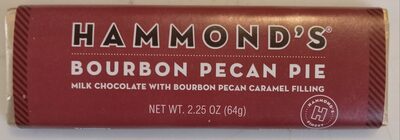
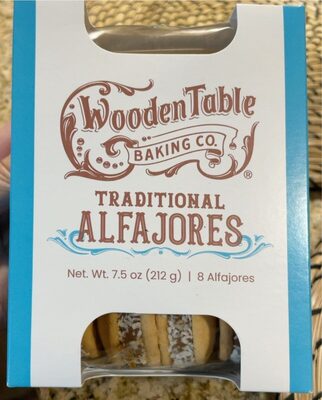
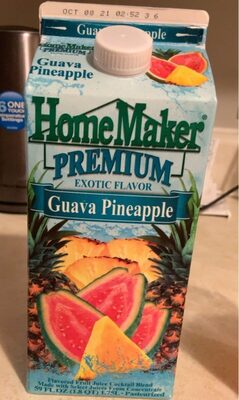
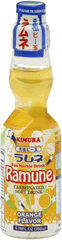
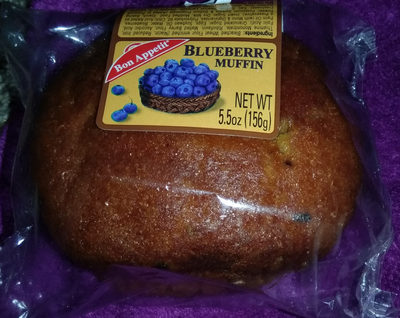
Foods that contain Granulated Sugar
Compare products →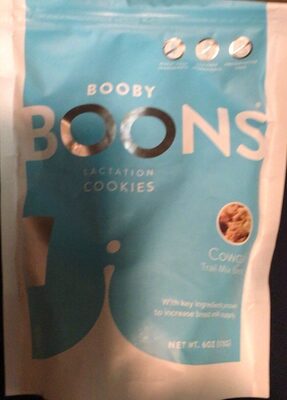
Learn more
Auto-generated content. This description was generated automatically and is pending editorial review. Inaccuracies are possible. Found a mistake? Contact us.