Green Olives
What is Green Olives?
Green olives are unripe fruits from the olive tree (Olea europaea), native to the Mediterranean region. They are typically cured in brine or a salt solution to make them edible, as they are naturally bitter. This process also helps preserve them.
Is Green Olives vegan?
Green Olives is not animal-derived. Products that contain it can still include other animal-derived ingredients, so check the full ingredient list.
Is Green Olives gluten-free?
They do not contain gluten.
Is Green Olives a major allergen?
Green olives are not one of the nine major allergens designated by the FDA.
What is Green Olives used for?
Manufacturers use green olives as a flavorful ingredient and garnish.
Is Green Olives safe?
Green olives are generally recognized as safe (GRAS) by the FDA when used as a food ingredient.
Why it's used
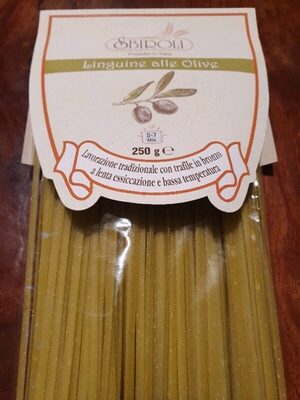
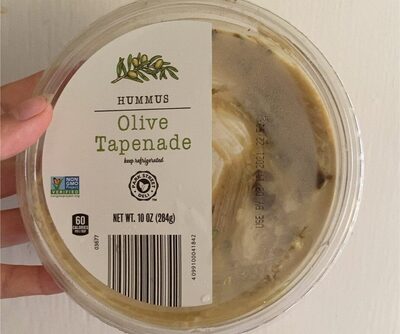
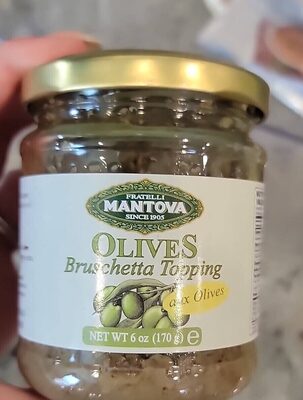
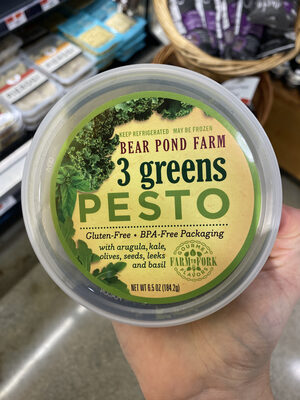
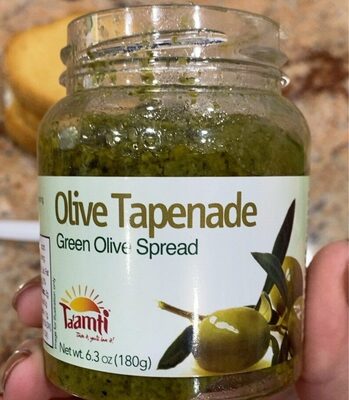
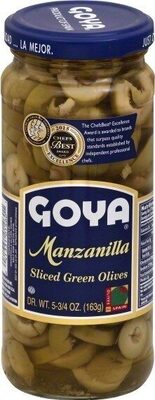
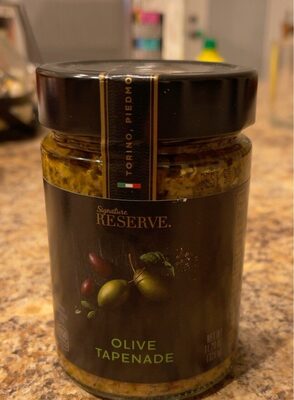
Manufacturers use green olives as a flavorful ingredient and garnish. Their salty, briny taste adds depth to dishes. They are commonly found in prepared pasta and pizza sauces, relishes, tapenades, and as a topping for salads and appetizers.
Health notes
Green olives are generally recognized as safe (GRAS) by the FDA when used as a food ingredient. They are a source of healthy fats and antioxidants. The Joint FAO/WHO Expert Committee on Food Additives (JECFA) has evaluated olives and their components. Evidence does not suggest adverse health effects from consuming olives in typical amounts.
Allergen info
Green olives are not one of the nine major allergens designated by the FDA. They do not contain gluten.
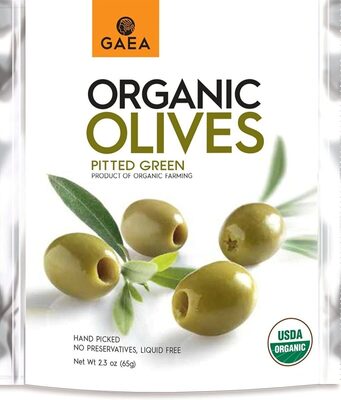
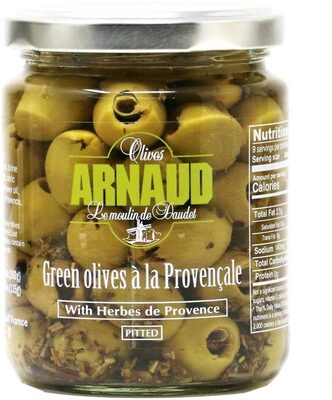
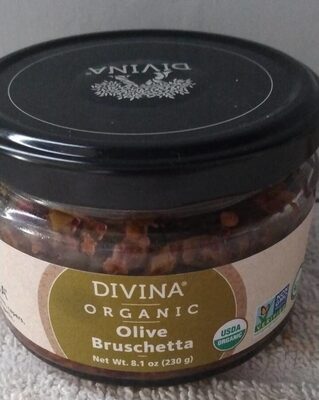
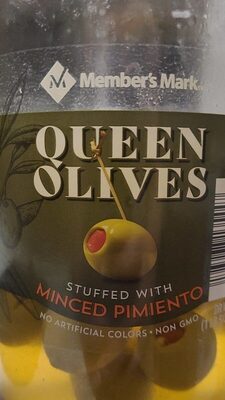
Foods that contain Green Olives
Compare products →







Auto-generated content. This description was generated automatically and is pending editorial review. Inaccuracies are possible. Found a mistake? Contact us.