Ground Bitter Apricot Kernel
What is Ground Bitter Apricot Kernel?
Ground bitter apricot kernels are made from the seeds of the apricot fruit. They are dried and then ground into a powder. Bitter apricot kernels contain a compound called amygdalin.
Is Ground Bitter Apricot Kernel vegan?
Ground Bitter Apricot Kernel is not animal-derived. Products that contain it can still include other animal-derived ingredients, so check the full ingredient list.
Is Ground Bitter Apricot Kernel a major allergen?
Not a major allergen.
What is Ground Bitter Apricot Kernel used for?
Bitter apricot kernels are sometimes used as a flavoring agent in baked goods, particularly in European-style cookies and gingerbread.
Is Ground Bitter Apricot Kernel safe?
Bitter apricot kernels contain amygdalin, which the body can convert into cyanide.
Why it's used
Bitter apricot kernels are sometimes used as a flavoring agent in baked goods, particularly in European-style cookies and gingerbread. They can also be found in some candies and health supplements. Manufacturers use them for their distinct, slightly bitter almond-like flavor.
Health notes
Bitter apricot kernels contain amygdalin, which the body can convert into cyanide. Cyanide is a poison. The FDA warns against consuming bitter apricot kernels due to the risk of cyanide poisoning. Health authorities in other countries, like the UK's Food Standards Agency, also advise against their consumption. Due to these safety concerns, they are not approved as a food additive in the US or EU.
Allergen info
Not a major allergen. Apricots are botanically related to peaches and plums, but not to tree nuts.
Foods that contain Ground Bitter Apricot Kernel
Compare products →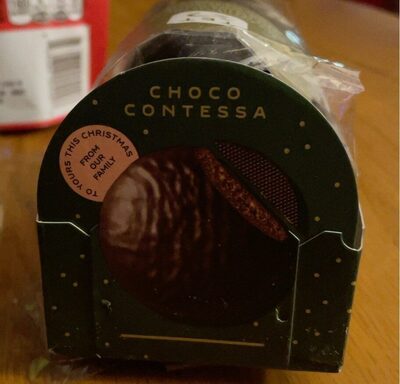 Bahlsen Inc.
Choco Contessa Spiced German Gingerbread With Chocolate Coating, Choco Contessa
High in added sugars — 26% DV per serving
414kcal
6.9Protein
15.5Fat
62.1Carbs
Bahlsen Inc.
Choco Contessa Spiced German Gingerbread With Chocolate Coating, Choco Contessa
High in added sugars — 26% DV per serving
414kcal
6.9Protein
15.5Fat
62.1Carbs
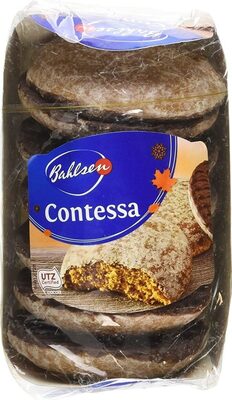 Bahlsen Inc.
Contessa Spiced German Gingerbread With Chocolate Coating On The Bottom, Contessa
High in added sugars — 26% DV per serving
414kcal
6.9Protein
12.1Fat
65.5Carbs
Bahlsen Inc.
Festive Classics, Pure Gingerbread, Mini Contessa, Iced Cinnamon Star, Gingerbread Pretzels, Milk Tablet, Akora Milk, Akora Dark
High in added sugars — 24% DV per serving
423kcal
7.7Protein
17.3Fat
65.4Carbs
Bahlsen Inc.
Contessa Spiced German Gingerbread With Chocolate Coating On The Bottom, Contessa
High in added sugars — 26% DV per serving
414kcal
6.9Protein
12.1Fat
65.5Carbs
Bahlsen Inc.
Festive Classics, Pure Gingerbread, Mini Contessa, Iced Cinnamon Star, Gingerbread Pretzels, Milk Tablet, Akora Milk, Akora Dark
High in added sugars — 24% DV per serving
423kcal
7.7Protein
17.3Fat
65.4Carbs
Auto-generated content. This description was generated automatically and is pending editorial review. Inaccuracies are possible. Found a mistake? Contact us.