Gum Acacia
Auto-generated content. This description was generated automatically and is pending editorial review. Inaccuracies are possible. Found a mistake? Contact us.
What it is
Gum acacia, also known as gum arabic, is a natural gum obtained from the hardened sap of acacia trees, primarily Acacia senegal and Acacia seyal. The sap is harvested from the trees, then dried and ground into a powder for use.
Why it's used
Manufacturers add gum acacia to foods as a thickener, emulsifier, and stabilizer, helping to prevent ingredients from separating. It is commonly found in beverages, confectionery, baked goods, and dairy products, and also acts as a source of soluble dietary fiber.
Health notes
The FDA considers gum acacia to be Generally Recognized As Safe (GRAS) for use in food. JECFA has evaluated gum acacia and concluded that it is safe for use in food, not setting a numeric acceptable daily intake (ADI not specified). EFSA has also evaluated it. At typical intake levels, it is generally well-tolerated, though very high consumption might lead to mild digestive discomfort like bloating or gas due to its fiber content.
Allergen info
Not a major allergen.
Products containing Gum Acacia
Compare products →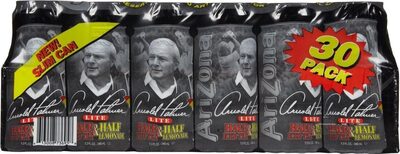 Ferolito Vultaggio & Sons
Arnold Palmer Half & Half Iced Tea Lemonade
24kcal
0Protein
0Fat
6.2Carbs
Darigold, Inc.
Darigold, Lowfat Yogurt With Probiotic Cultures, Strawberry
88kcal
3.5Protein
0.7Fat
18.1Carbs
Ferolito Vultaggio & Sons
Arnold Palmer Half & Half Iced Tea Lemonade
24kcal
0Protein
0Fat
6.2Carbs
Darigold, Inc.
Darigold, Lowfat Yogurt With Probiotic Cultures, Strawberry
88kcal
3.5Protein
0.7Fat
18.1Carbs