Hi-oleic Peanuts
What is Hi-oleic Peanuts?
Hi-oleic peanuts are a variety of peanut bred to have a higher concentration of monounsaturated fats, specifically oleic acid. They are grown and harvested like regular peanuts. The higher oleic acid content gives them a longer shelf life and a more stable flavor.
Is Hi-oleic Peanuts vegan?
Hi-oleic Peanuts is not animal-derived. Products that contain it can still include other animal-derived ingredients, so check the full ingredient list.
Is Hi-oleic Peanuts a major allergen?
Peanuts are one of the 9 FDA major allergens.
What is Hi-oleic Peanuts used for?
Manufacturers use hi-oleic peanuts for their oil and as whole nuts.
Is Hi-oleic Peanuts safe?
Hi-oleic peanuts are recognized as safe by the FDA.
Why it's used
Manufacturers use hi-oleic peanuts for their oil and as whole nuts. The oil is prized for its stability and flavor, making it suitable for cooking and as an ingredient in processed foods like nut butters. They are often found in nut butters, snacks, and baked goods.
Health notes
Hi-oleic peanuts are recognized as safe by the FDA. The higher proportion of monounsaturated fats is generally considered beneficial for heart health as part of a balanced diet. JECFA and EFSA have evaluated fats and oils, but specific evaluations for hi-oleic peanuts are not commonly cited. No significant controversies are associated with their consumption at typical levels.
Allergen info
Peanuts are one of the 9 FDA major allergens. This ingredient is a peanut product.
Foods that contain Hi-oleic Peanuts
Compare products →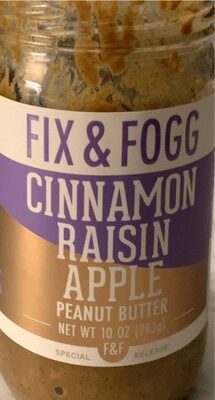


Learn more
Auto-generated content. This description was generated automatically and is pending editorial review. Inaccuracies are possible. Found a mistake? Contact us.