High Maltose Syrup
What is High Maltose Syrup?
High maltose syrup is a liquid sweetener made from corn starch. It is produced by an enzymatic process that breaks down starch into sugars, with a higher proportion of maltose (a sugar made of two glucose units) than standard corn syrup.
Is High Maltose Syrup vegan?
High Maltose Syrup is not animal-derived. Products that contain it can still include other animal-derived ingredients, so check the full ingredient list.
Is High Maltose Syrup gluten-free?
It does not contain gluten.
Is High Maltose Syrup a major allergen?
High maltose syrup is derived from corn, which is not one of the nine major allergens.
What is High Maltose Syrup used for?
Manufacturers use high maltose syrup as a sweetener and to provide body and texture in foods.
Is High Maltose Syrup safe?
High maltose syrup is generally recognized as safe (GRAS) by the FDA when used as intended.
Why it's used
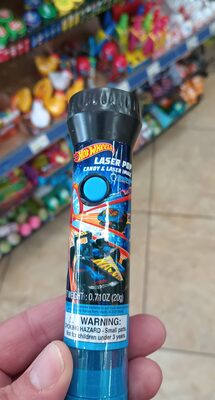
Manufacturers use high maltose syrup as a sweetener and to provide body and texture in foods. Its lower sweetness and viscosity compared to other corn syrups make it useful in products like chewy candies, baked goods, and some beverages.
Health notes
High maltose syrup is generally recognized as safe (GRAS) by the FDA when used as intended. Like other caloric sweeteners, excessive intake can contribute to excess calorie consumption. The Joint FAO/WHO Expert Committee on Food Additives (JECFA) has evaluated similar carbohydrate-based sweeteners.
Allergen info
High maltose syrup is derived from corn, which is not one of the nine major allergens. It does not contain gluten.
Foods that contain High Maltose Syrup
Compare products →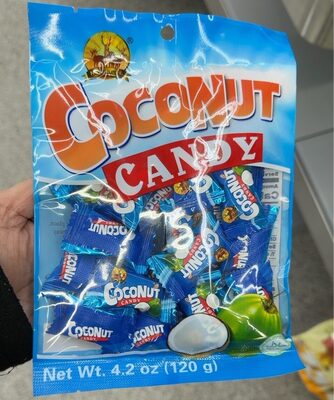
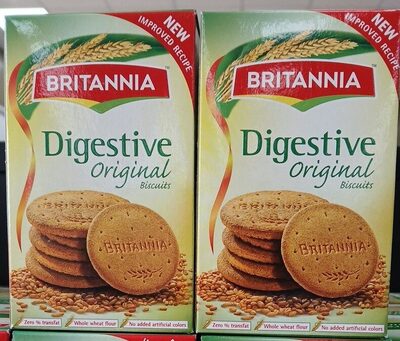
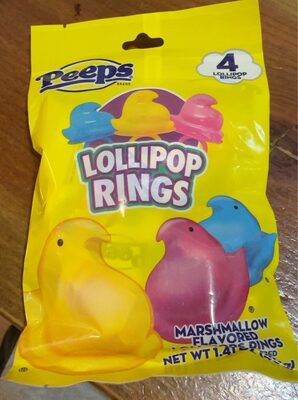
Learn more
Auto-generated content. This description was generated automatically and is pending editorial review. Inaccuracies are possible. Found a mistake? Contact us.