Homogenized Shortening
What is Homogenized Shortening?
Homogenized shortening is a solid fat, typically made from vegetable oils, that has been processed to have a smooth, uniform texture. This process helps distribute the fat evenly throughout a product, contributing to consistent quality.
Is Homogenized Shortening a major allergen?
Shortening itself is not a major allergen.
What is Homogenized Shortening used for?
It is widely used in baking and frying to improve the texture of foods.
Is Homogenized Shortening safe?
As a fat, shortening provides calories and is a source of dietary fat.
Why it's used
It is widely used in baking and frying to improve the texture of foods. In baked goods, shortening contributes to flakiness, tenderness, and a desirable mouthfeel.
Health notes
As a fat, shortening provides calories and is a source of dietary fat. Historically, some shortenings contained partially hydrogenated oils (PHOs), which were a source of artificial trans fats. However, the FDA determined that PHOs are no longer generally recognized as safe (GRAS) for most uses as of 2018, effectively removing most artificial trans fats from the US food supply. Modern shortenings are typically free of PHOs. The FDA regulates fats and oils as food ingredients; JECFA and EFSA evaluate various fats and oils, but 'homogenized shortening' is a product type rather than a specific chemical compound for which they would set an acceptable daily intake.
Allergen info
Shortening itself is not a major allergen. However, if it is made from specific vegetable oils like soy or peanut oil, those specific oils would need to be declared as allergens.
Foods that contain Homogenized Shortening
Compare products →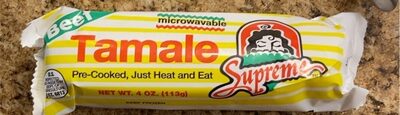
Learn more
Auto-generated content. This description was generated automatically and is pending editorial review. Inaccuracies are possible. Found a mistake? Contact us.