Hydrogenated Rapeseed And Cottonseed Oils
What is Hydrogenated Rapeseed And Cottonseed Oils?
These are vegetable oils that have been processed to make them more solid and stable. Rapeseed (also known as canola) and cottonseed are common sources. The process involves adding hydrogen to the oils, which changes their structure.
Is Hydrogenated Rapeseed And Cottonseed Oils vegan?
Hydrogenated Rapeseed And Cottonseed Oils is not animal-derived. Products that contain it can still include other animal-derived ingredients, so check the full ingredient list.
Is Hydrogenated Rapeseed And Cottonseed Oils gluten-free?
Neither is typically considered a source of gluten.
Is Hydrogenated Rapeseed And Cottonseed Oils a major allergen?
Cottonseed is not one of the nine major allergens.
What is Hydrogenated Rapeseed And Cottonseed Oils used for?
Manufacturers use these oils to improve the texture and shelf life of foods.
Is Hydrogenated Rapeseed And Cottonseed Oils safe?
Hydrogenated oils are generally recognized as safe (GRAS) by the FDA for use in food.
Why it's used
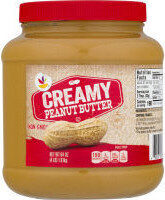
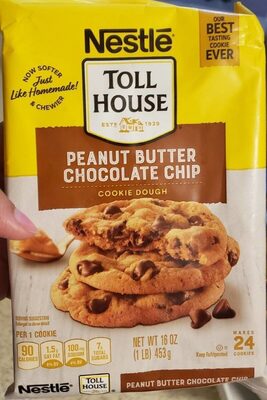
Manufacturers use these oils to improve the texture and shelf life of foods. They help prevent ingredients from separating and keep products from going rancid quickly. They are often found in nut butters, candies, and baked goods.
Health notes
Hydrogenated oils are generally recognized as safe (GRAS) by the FDA for use in food. The process can create small amounts of trans fats, though modern methods aim to minimize this. International bodies like JECFA have evaluated fats and oils, but specific evaluations for these hydrogenated oils are not detailed here. Research on the health effects of trans fats at high intakes has led to regulatory changes and industry reformulation.
Allergen info
Cottonseed is not one of the nine major allergens. Rapeseed oil is not a major allergen. Neither is typically considered a source of gluten.
Foods that contain Hydrogenated Rapeseed And Cottonseed Oils
Compare products →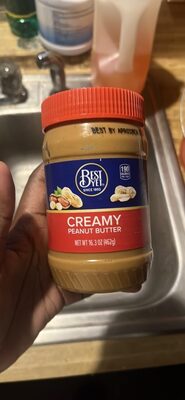

Learn more
Auto-generated content. This description was generated automatically and is pending editorial review. Inaccuracies are possible. Found a mistake? Contact us.