Hydrolysed Protein
What is Hydrolysed Protein?
Hydrolyzed protein is made by breaking down proteins from sources like soy, wheat, or animal meat into smaller pieces called amino acids. This process, called hydrolysis, uses water and sometimes enzymes or acids to achieve the breakdown. The resulting product is often a liquid or powder.
Is Hydrolysed Protein gluten-free?
If derived from wheat, it may contain gluten.
Is Hydrolysed Protein a major allergen?
Hydrolyzed protein can be derived from soy or wheat, which are two of the nine major allergens.
What is Hydrolysed Protein used for?
Manufacturers add hydrolyzed protein to foods to enhance or add a savory, umami flavor, similar to MSG.
Is Hydrolysed Protein safe?
Hydrolyzed protein is generally recognized as safe (GRAS) by the FDA for use in food.
Why it's used
Manufacturers add hydrolyzed protein to foods to enhance or add a savory, umami flavor, similar to MSG. It's commonly found in seasonings, sauces, broths, and snack foods. It acts as a flavor enhancer, boosting the overall taste profile of the product.
Health notes
Hydrolyzed protein is generally recognized as safe (GRAS) by the FDA for use in food. It is a source of amino acids, which are building blocks for the body. JECFA and EFSA have evaluated various hydrolyzed proteins and found them safe for consumption. Some individuals may be sensitive to the added glutamates, which can occur during the hydrolysis of proteins.
Allergen info
Hydrolyzed protein can be derived from soy or wheat, which are two of the nine major allergens. If derived from wheat, it may contain gluten. Consumers with soy or wheat allergies, or gluten sensitivity, should check the ingredient list carefully.
Foods that contain Hydrolysed Protein
Compare products →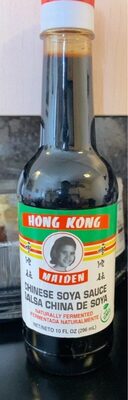 Fachoy Foods Ltd.
Chinese Soya Sauce
High in sodium — 20% DV per serving
67kcal
6.7Protein
0Fat
6.7Carbs
Royal Montego Trading LLC
Soy Sauce, Soy
67kcal
6.7Protein
0Fat
6.7Carbs
Royal Montego Trading LLC
Soy Sauce, Soy
67kcal
6.7Protein
0Fat
6.7Carbs
Fachoy Foods Ltd.
Chinese Soya Sauce
High in sodium — 23% DV per serving
33kcal
0Protein
0Fat
6.7Carbs
Fachoy Foods Ltd.
Chinese Soya Sauce
High in sodium — 20% DV per serving
67kcal
6.7Protein
0Fat
6.7Carbs
Royal Montego Trading LLC
Soy Sauce, Soy
67kcal
6.7Protein
0Fat
6.7Carbs
Royal Montego Trading LLC
Soy Sauce, Soy
67kcal
6.7Protein
0Fat
6.7Carbs
Fachoy Foods Ltd.
Chinese Soya Sauce
High in sodium — 23% DV per serving
33kcal
0Protein
0Fat
6.7Carbs
Learn more
Auto-generated content. This description was generated automatically and is pending editorial review. Inaccuracies are possible. Found a mistake? Contact us.