Hydrolyzed Corn And Wheat Gluten
Auto-generated content. This description was generated automatically and is pending editorial review. Inaccuracies are possible. Found a mistake? Contact us.
What it is
Hydrolyzed corn and wheat gluten is made by breaking down gluten proteins from corn and wheat into smaller pieces. This process typically uses enzymes or acids to "hydrolyze" the proteins. The result is a substance that can add savory, umami flavors to foods.
Why it's used
Manufacturers use hydrolyzed corn and wheat gluten primarily to enhance the savory or umami taste in food products. It is often found in soups, sauces, and processed meats where a richer, meatier flavor is desired. It can also act as a flavor enhancer in snack foods and seasonings.
Health notes
Hydrolyzed corn and wheat gluten is generally recognized as safe (GRAS) by the FDA for use in food. Regulatory bodies like JECFA and EFSA have evaluated similar hydrolyzed proteins. While generally considered safe at typical consumption levels, individuals with celiac disease or gluten sensitivity should avoid it due to its wheat origin.
Allergen info
This ingredient is derived from wheat, which is one of the 9 FDA major allergens. It contains gluten, a protein found in wheat.
Products containing Hydrolyzed Corn And Wheat Gluten
Compare products →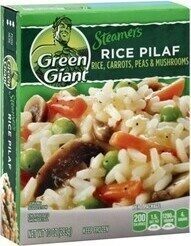 General Mills, Inc.
Lightly Sauced Rice, Carrots, Peas & Mushrooms Pilaf, Lightly Sauced
High in sodium — 51% DV per serving
71kcal
1.8Protein
1.2Fat
13.4Carbs
Tippin's Restaurants Inc.
Ham And Bean Soup, Smoke
High in sodium — 44% DV per serving
High in saturated fat — 25% DV per serving
110kcal
6.5Protein
4.1Fat
12.7Carbs
Fresh Food Manufacturing
Chicken And Dumpling Soup, Chicken And Dumpling
High in sodium — 49% DV per serving
High in saturated fat — 45% DV per serving
High in cholesterol — 35% DV per serving
79kcal
3.7Protein
3.5Fat
8.2Carbs
Meijer, Inc.
Vegetable With Beef Stock Condensed Soup, Vegetable With Beef Stock
High in sodium — 32% DV per serving
81kcal
3.2Protein
0.4Fat
17.1Carbs
General Mills, Inc.
Lightly Sauced Rice, Carrots, Peas & Mushrooms Pilaf, Lightly Sauced
High in sodium — 51% DV per serving
71kcal
1.8Protein
1.2Fat
13.4Carbs
Tippin's Restaurants Inc.
Ham And Bean Soup, Smoke
High in sodium — 44% DV per serving
High in saturated fat — 25% DV per serving
110kcal
6.5Protein
4.1Fat
12.7Carbs
Fresh Food Manufacturing
Chicken And Dumpling Soup, Chicken And Dumpling
High in sodium — 49% DV per serving
High in saturated fat — 45% DV per serving
High in cholesterol — 35% DV per serving
79kcal
3.7Protein
3.5Fat
8.2Carbs
Meijer, Inc.
Vegetable With Beef Stock Condensed Soup, Vegetable With Beef Stock
High in sodium — 32% DV per serving
81kcal
3.2Protein
0.4Fat
17.1Carbs