Hydrolyzed Proteins
What is Hydrolyzed Proteins?
Hydrolyzed proteins are proteins that have been broken down into smaller pieces, called amino acids and peptides. This process typically uses water and enzymes or acids. They are often made from plant sources like soy or wheat, or animal sources like milk or meat.
Is Hydrolyzed Proteins a major allergen?
Hydrolyzed proteins can be derived from major allergens like wheat, soy, or milk.
What is Hydrolyzed Proteins used for?
Manufacturers use hydrolyzed proteins to add a savory, umami flavor to foods, acting as a flavor enhancer.
Is Hydrolyzed Proteins safe?
Hydrolyzed proteins are generally recognized as safe (GRAS) by the FDA when used as intended.
Why it's used
Manufacturers use hydrolyzed proteins to add a savory, umami flavor to foods, acting as a flavor enhancer. They can also help improve texture and moisture retention. You'll often find them in processed meats, soups, sauces, and snack foods.
Health notes
Hydrolyzed proteins are generally recognized as safe (GRAS) by the FDA when used as intended. They are not typically associated with adverse health effects at the levels found in food. International bodies like JECFA have evaluated them, but no specific numeric limits are set. Some individuals may be sensitive to specific components derived from the original protein source.
Allergen info
Hydrolyzed proteins can be derived from major allergens like wheat, soy, or milk. Consumers with allergies should check the ingredient list for the specific source protein.
Foods that contain Hydrolyzed Proteins
Compare products →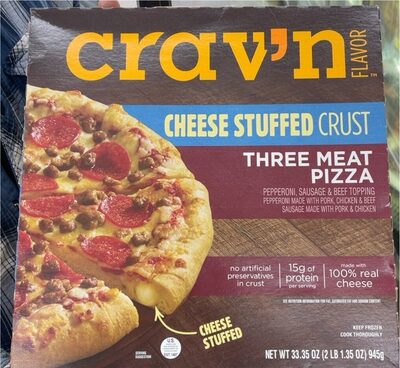
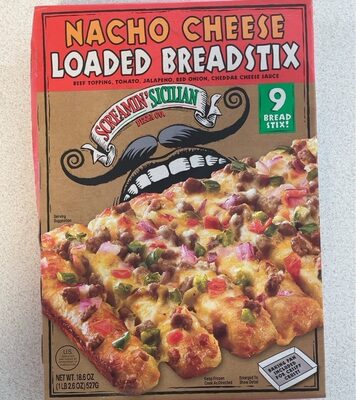
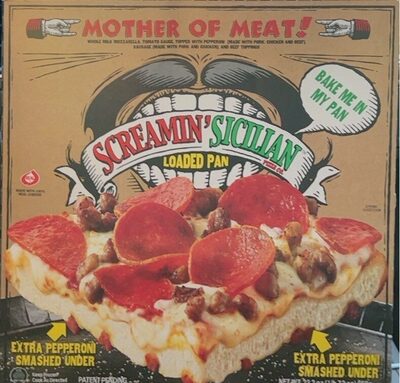
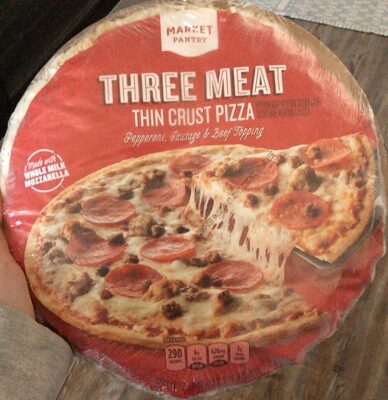
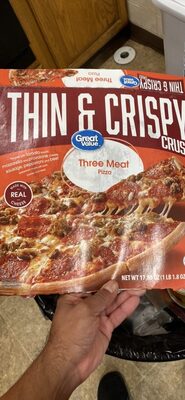
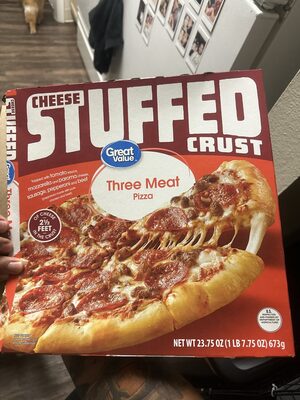
Learn more
Auto-generated content. This description was generated automatically and is pending editorial review. Inaccuracies are possible. Found a mistake? Contact us.