Hydrolyzed Soy Protein Isolate
Auto-generated content. This description was generated automatically and is pending editorial review. Inaccuracies are possible. Found a mistake? Contact us.
What it is
Hydrolyzed soy protein isolate is made from soybeans. The soybeans are processed to separate the protein, which is then broken down into smaller pieces (hydrolyzed) using enzymes or acids. This process makes the protein easier to digest and can create a savory or umami flavor.
Why it's used
Manufacturers use hydrolyzed soy protein isolate to add a savory, meaty, or umami flavor to foods. It also functions as a flavor enhancer and can improve texture. It is commonly found in snacks, soups, sauces, and processed meat alternatives.
Health notes
Hydrolyzed soy protein isolate is generally recognized as safe (GRAS) by the FDA for use in food. The Joint FAO/WHO Expert Committee on Food Additives (JECFA) has evaluated it and established an acceptable daily intake. Evidence does not suggest adverse health effects from typical consumption.
Allergen info
Soy is one of the 9 major allergens identified by the FDA. Therefore, products containing hydrolyzed soy protein isolate must be labeled as containing soy.
Products containing Hydrolyzed Soy Protein Isolate
Compare products →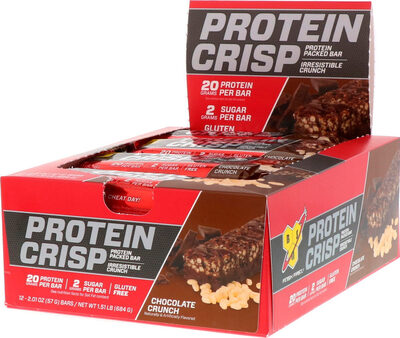 Glanbia Performance Nutrition, Inc.
Chocolate Crunch Protein Crisp Bars, Chocolate Crunch
High in saturated fat — 25% DV per serving
345kcal
36.4Protein
12.7Fat
38.2Carbs
Glanbia Performance Nutrition, Inc.
Chocolate Crunch Protein Crisp Bars, Chocolate Crunch
High in saturated fat — 25% DV per serving
345kcal
36.4Protein
12.7Fat
38.2Carbs
 Glanbia Performance Nutrition, Inc.
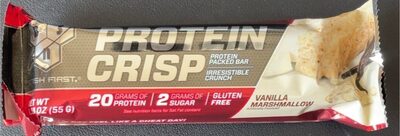
Vanilla Marshmallow Protein Crisp Packed Bar, Vanilla Marshmallow
High in saturated fat — 22% DV per serving
327kcal
32.7Protein
10.9Fat
43.6Carbs
Glanbia Performance Nutrition, Inc.
Vanilla Marshmallow Protein Crisp Packed Bar, Vanilla Marshmallow
High in saturated fat — 22% DV per serving
327kcal
32.7Protein
10.9Fat
43.6Carbs
 Glanbia Performance Nutrition, Inc.
Peanut Butter Crunch Protein Crisp Bars, Peanut Butter Crunch
418kcal
36.4Protein
12.7Fat
—Carbs
KSF Acquisition Corporation
Crispy Chocolate Fudge Treat Delights Snack Bars, Crispy Chocolate Fudge Treat
348kcal
34.8Protein
8.7Fat
39.1Carbs
KSF Acquisition Corporation
Crispy Toffee Pretzel Treat Delights Snack Bars, Crispy Toffee Pretzel Treat
348kcal
34.8Protein
13.0Fat
39.1Carbs
Glanbia Performance Nutrition, Inc.
Peanut Butter Crunch Protein Crisp Bars, Peanut Butter Crunch
418kcal
36.4Protein
12.7Fat
—Carbs
KSF Acquisition Corporation
Crispy Chocolate Fudge Treat Delights Snack Bars, Crispy Chocolate Fudge Treat
348kcal
34.8Protein
8.7Fat
39.1Carbs
KSF Acquisition Corporation
Crispy Toffee Pretzel Treat Delights Snack Bars, Crispy Toffee Pretzel Treat
348kcal
34.8Protein
13.0Fat
39.1Carbs