Hydrolyzed Whey Protein Isolate
What is Hydrolyzed Whey Protein Isolate?
Hydrolyzed whey protein isolate is a highly purified form of whey protein, a byproduct of cheese production. It is made by breaking down the protein into smaller pieces (peptides) through a process called hydrolysis, which can make it easier to digest and absorb.
Is Hydrolyzed Whey Protein Isolate vegan?
No. Hydrolyzed Whey Protein Isolate is animal-derived, so it is not vegan.
Is Hydrolyzed Whey Protein Isolate gluten-free?
It does not contain gluten.
Is Hydrolyzed Whey Protein Isolate a major allergen?
Hydrolyzed whey protein isolate is derived from milk, which is one of the 9 FDA major allergens.
What is Hydrolyzed Whey Protein Isolate used for?
Manufacturers add it to foods as a source of protein.
Is Hydrolyzed Whey Protein Isolate safe?
Hydrolyzed whey protein isolate is generally recognized as safe (GRAS) by the FDA when used as intended.
Why it's used
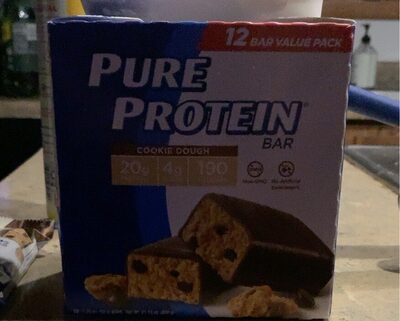
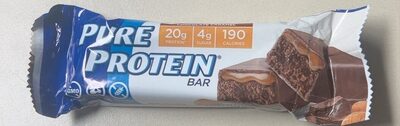
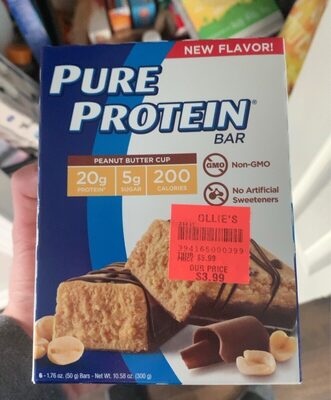
Manufacturers add it to foods as a source of protein. It is commonly found in protein bars, meal replacement supplements, and sports nutrition products like protein powders and recovery drinks.
Health notes
Hydrolyzed whey protein isolate is generally recognized as safe (GRAS) by the FDA when used as intended. It is a source of essential amino acids that support muscle growth and repair. International bodies like JECFA and EFSA have evaluated whey proteins. Evidence does not suggest adverse effects from typical consumption.
Allergen info
Hydrolyzed whey protein isolate is derived from milk, which is one of the 9 FDA major allergens. It does not contain gluten.
Foods that contain Hydrolyzed Whey Protein Isolate
Compare products →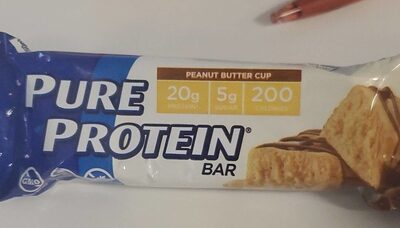
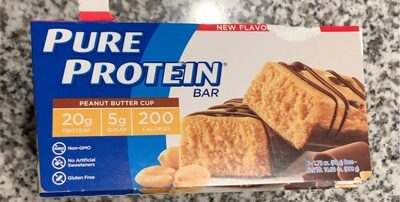
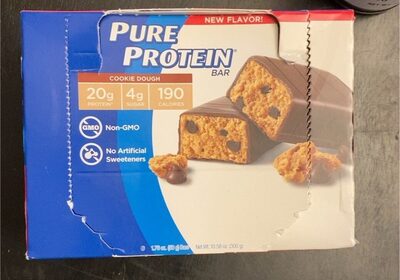
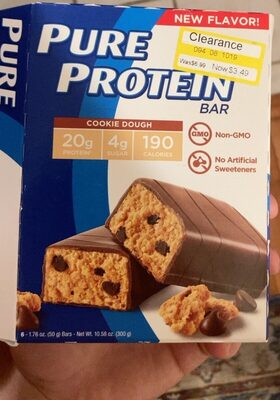
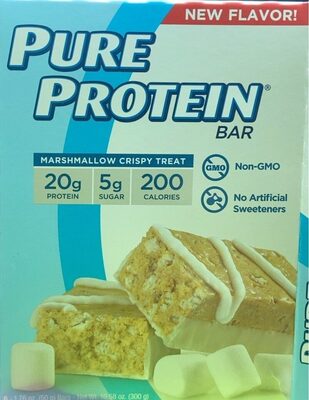
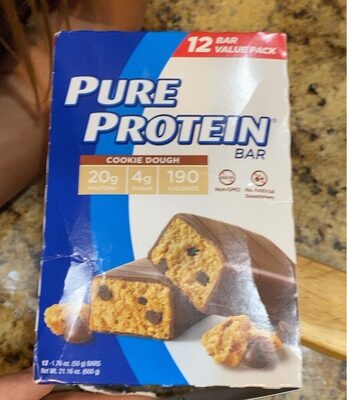
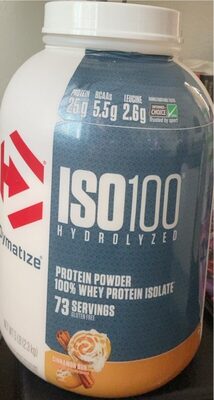
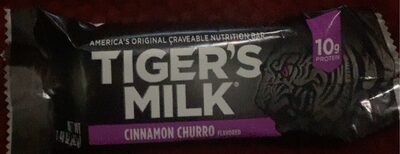
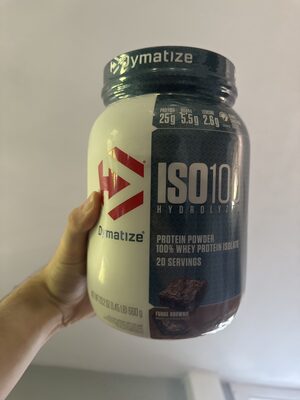
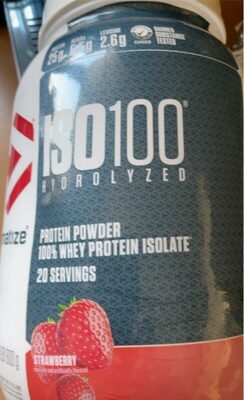
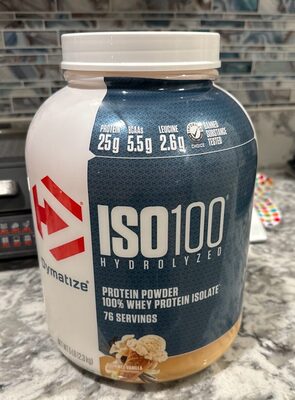
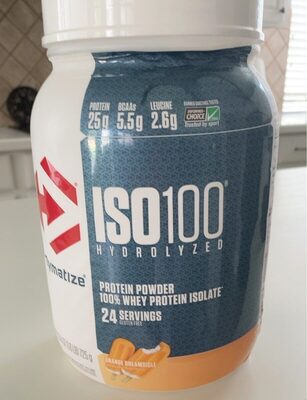
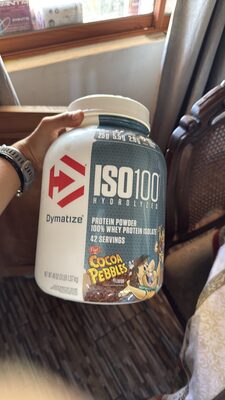 Dymatize
Pebbles Flavor Iso 100 Hydrolyzed Protein Powder, Pebbles
375kcal
78.1Protein
0Fat
6.2Carbs
Learn more
Auto-generated content. This description was generated automatically and is pending editorial review. Inaccuracies are possible. Found a mistake? Contact us.