Iceberg And Romaine Lettuces
What is Iceberg And Romaine Lettuces?
Iceberg lettuce and romaine lettuce are two common types of leafy green vegetables. Iceberg lettuce forms a dense, round head with crisp leaves, while romaine lettuce has elongated, upright leaves with a firm rib down the center. Both are widely cultivated plants.
Is Iceberg And Romaine Lettuces vegan?
Iceberg And Romaine Lettuces is not animal-derived. Products that contain it can still include other animal-derived ingredients, so check the full ingredient list.
Is Iceberg And Romaine Lettuces a major allergen?
Not a major allergen.
What is Iceberg And Romaine Lettuces used for?
Manufacturers add iceberg and romaine lettuces to packaged foods primarily as a base for salads, providing texture, freshness, and visual appeal.
Is Iceberg And Romaine Lettuces safe?
Lettuces are generally recognized as safe (GRAS) as whole foods and are not considered food additives by the FDA.
Why it's used
Manufacturers add iceberg and romaine lettuces to packaged foods primarily as a base for salads, providing texture, freshness, and visual appeal. They are used in various prepared meals and kits where fresh greens are desired.
Health notes
Lettuces are generally recognized as safe (GRAS) as whole foods and are not considered food additives by the FDA. They are a source of vitamins and dietary fiber. There are no known health controversies associated with typical consumption of iceberg or romaine lettuce, and they are not evaluated by JECFA or EFSA as food additives.
Allergen info
Not a major allergen.
Foods that contain Iceberg And Romaine Lettuces
Compare products →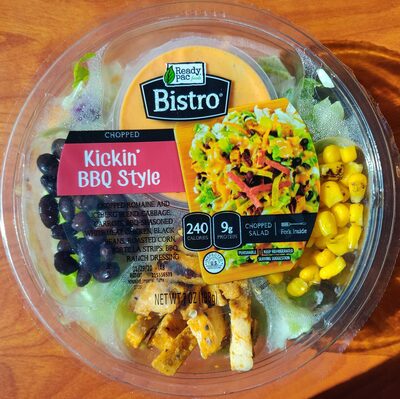
Auto-generated content. This description was generated automatically and is pending editorial review. Inaccuracies are possible. Found a mistake? Contact us.