In A Natural Pork Casing
This entry is a label phrase. See the main ingredient page: Natural Pork Casing.
What is In A Natural Pork Casing?
A natural pork casing is the cleaned and processed outer lining of a pig's intestine. It is a traditional material used to encase ground meat mixtures for sausages and hot dogs. The casing provides structure and a characteristic 'snap' when bitten.
Is In A Natural Pork Casing vegan?
No. In A Natural Pork Casing is animal-derived, so it is not vegan.
Is In A Natural Pork Casing a major allergen?
Not a major allergen.
What is In A Natural Pork Casing used for?
Manufacturers use natural pork casings to hold ground meat mixtures together during cooking and processing, particularly for sausages, hot dogs, and brats.
Is In A Natural Pork Casing safe?
Natural pork casings are considered a food ingredient and are generally recognized as safe (GRAS) by the FDA.
Why it's used
Manufacturers use natural pork casings to hold ground meat mixtures together during cooking and processing, particularly for sausages, hot dogs, and brats. They are valued for their natural origin and the texture they provide to the final product.
Health notes
Natural pork casings are considered a food ingredient and are generally recognized as safe (GRAS) by the FDA. They are primarily a source of protein and do not have specific health claims associated with them. International bodies like JECFA have evaluated food ingredients, but specific evaluations for natural casings are not typically highlighted.
Allergen info
Not a major allergen. Pork is not one of the nine major allergens recognized by the FDA.
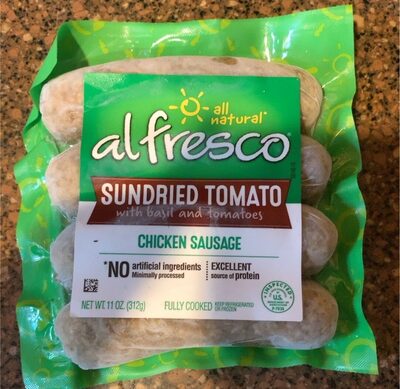
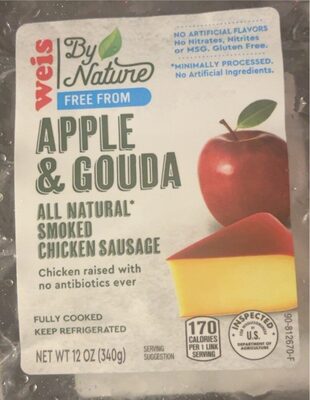
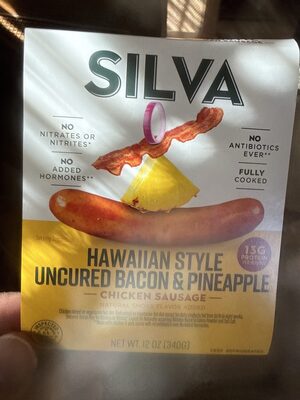
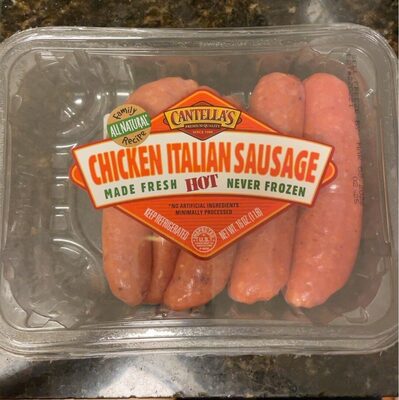
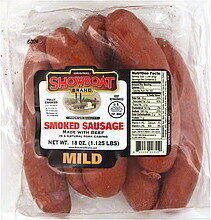
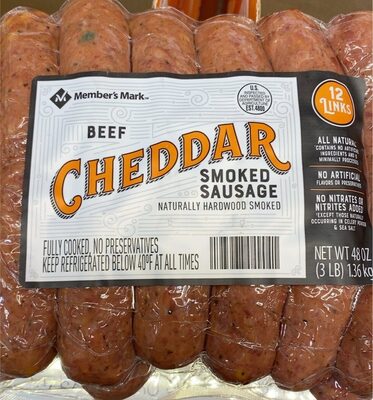
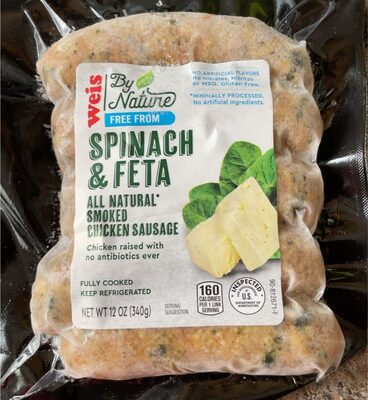
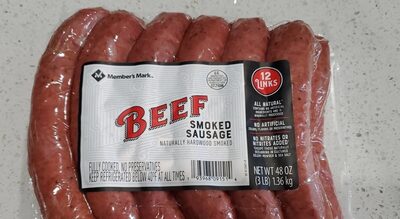
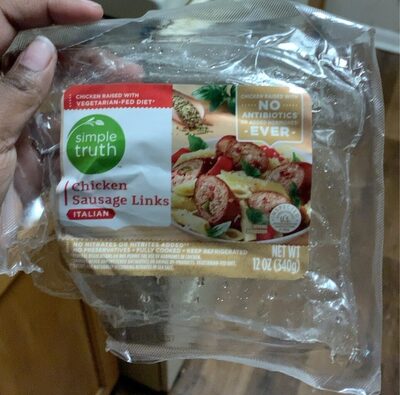
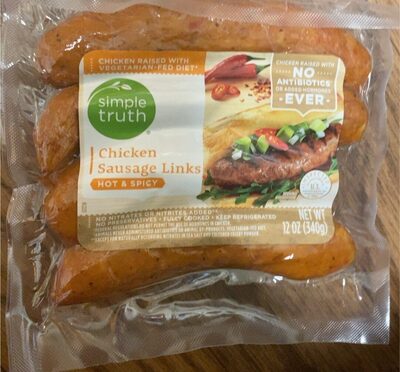
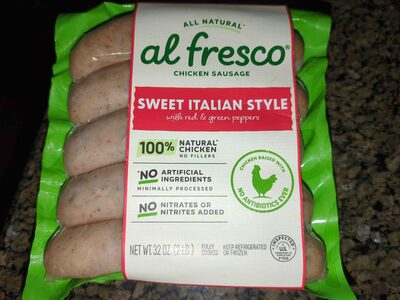
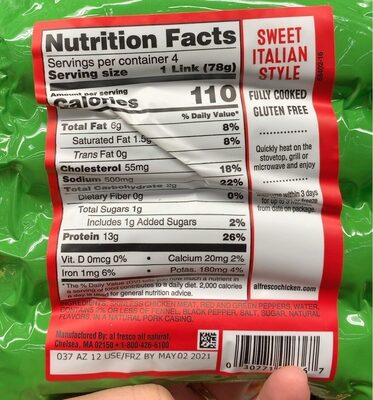
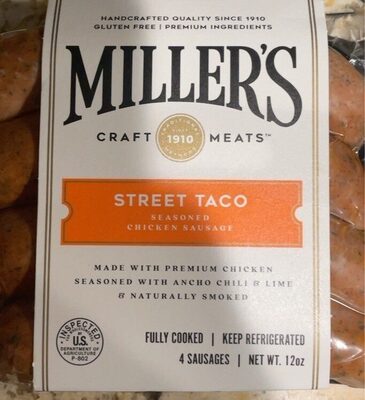
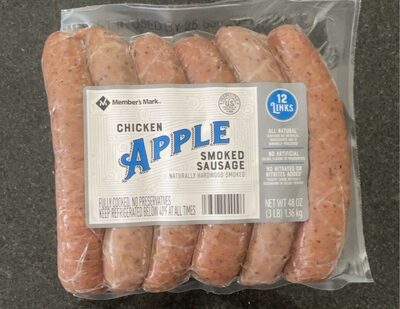
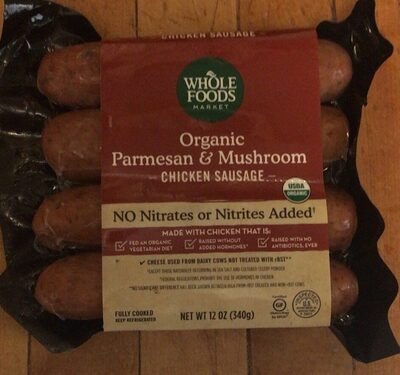
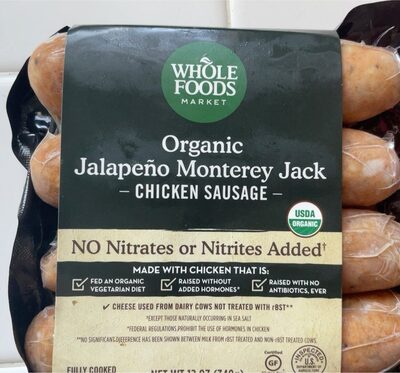
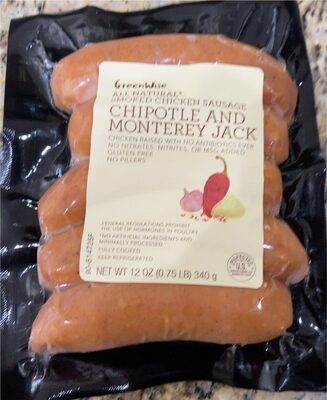
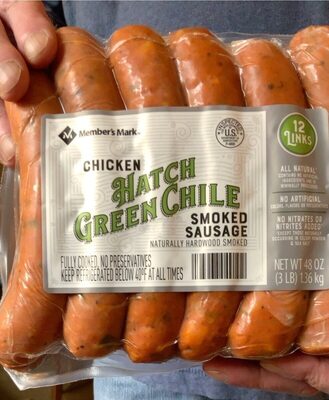
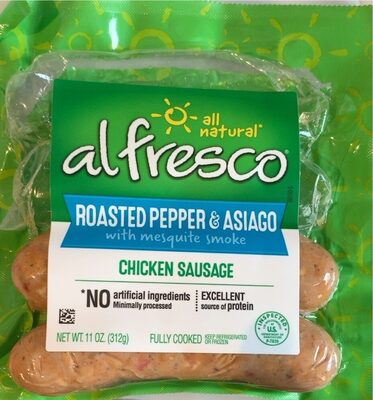
Foods that contain In A Natural Pork Casing
Compare products →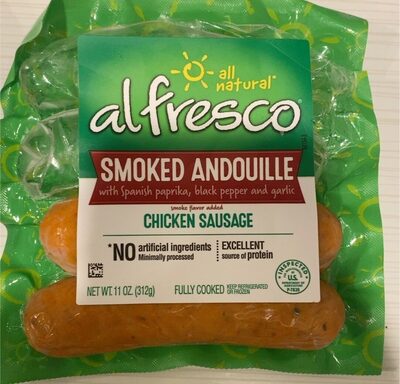
Auto-generated content. This description was generated automatically and is pending editorial review. Inaccuracies are possible. Found a mistake? Contact us.