Interesterified Canola
Auto-generated content. This description was generated automatically and is pending editorial review. Inaccuracies are possible. Found a mistake? Contact us.
What it is
Interesterified canola is a type of fat made from canola oil. During a process called interesterification, the fatty acids on the glycerol backbone of the oil molecules are rearranged. This changes the oil's physical properties, such as its melting point and texture.
Why it's used
Manufacturers use interesterified canola to achieve specific textures and consistencies in food products, similar to how partially hydrogenated oils (PHOs) were used. It can help create solid or semi-solid fats without forming trans fats, making it useful in baked goods, margarines, and spreads.
Health notes
The FDA considers canola oil to be Generally Recognized As Safe (GRAS). Interesterified fats are generally accepted as safe when made from GRAS oils like canola. Unlike partially hydrogenated oils (PHOs), interesterification does not produce artificial trans fats, which are known to be harmful. Some research has explored whether interesterified fats have different metabolic effects compared to other fats, but the evidence is mixed and not conclusive regarding significant adverse effects at typical intake levels. JECFA and EFSA have evaluated fats and oils generally.
Allergen info
Not a major allergen.
Products containing Interesterified Canola
Compare products →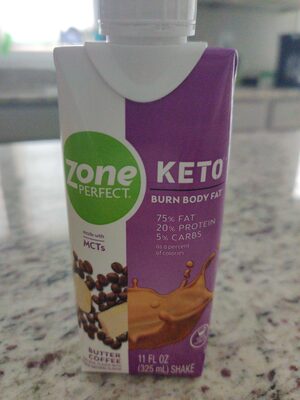 Abbott Laboratories Inc
Butter Coffee Shake, Butter Coffee
High in saturated fat — 55% DV per serving
62kcal
3.1Protein
5.2Fat
0.9Carbs
Abbott Laboratories Inc
White Chocolate Coconut Keto Shake, White Chocolate Coconut
High in saturated fat — 55% DV per serving
62kcal
3.1Protein
5.2Fat
0.9Carbs
Abbott Laboratories Inc
White Chocolate Coconut Shake, White Chocolate Coconut
High in saturated fat — 55% DV per serving
62kcal
3.1Protein
5.2Fat
0.9Carbs
Abbott Laboratories Inc
Pineapple Coconut Shake, Pineapple Coconut
High in saturated fat — 55% DV per serving
62kcal
3.1Protein
5.2Fat
0.9Carbs
Abbott Laboratories Inc
Pineapple Coconut Keto Shakes, Pineapple Coconut
High in saturated fat — 55% DV per serving
62kcal
3.1Protein
5.2Fat
0.9Carbs
Abbott Laboratories Inc
Butter Coffee Shake, Butter Coffee
High in saturated fat — 55% DV per serving
62kcal
3.1Protein
5.2Fat
0.9Carbs
Abbott Laboratories Inc
White Chocolate Coconut Keto Shake, White Chocolate Coconut
High in saturated fat — 55% DV per serving
62kcal
3.1Protein
5.2Fat
0.9Carbs
Abbott Laboratories Inc
White Chocolate Coconut Shake, White Chocolate Coconut
High in saturated fat — 55% DV per serving
62kcal
3.1Protein
5.2Fat
0.9Carbs
Abbott Laboratories Inc
Pineapple Coconut Shake, Pineapple Coconut
High in saturated fat — 55% DV per serving
62kcal
3.1Protein
5.2Fat
0.9Carbs
Abbott Laboratories Inc
Pineapple Coconut Keto Shakes, Pineapple Coconut
High in saturated fat — 55% DV per serving
62kcal
3.1Protein
5.2Fat
0.9Carbs