Invert Evaporated Cane Sugar
Auto-generated content. This description was generated automatically and is pending editorial review. Inaccuracies are possible. Found a mistake? Contact us.
What it is
Invert evaporated cane sugar is a liquid sweetener made from evaporated cane juice, which is raw, unrefined cane sugar. It is produced by breaking down sucrose into its component parts, glucose and fructose, through a process called inversion. This process can occur naturally or be induced by adding an acid or enzyme.
Why it's used
Manufacturers use invert evaporated cane sugar primarily as a sweetener. Its liquid form and ability to prevent sugar crystallization make it useful in baked goods, confectionery, and beverages. It can also add moisture and a slightly different flavor profile compared to granulated sugar.
Health notes
Invert evaporated cane sugar is generally recognized as safe (GRAS) by the FDA when used as a sweetener. Like other sugars, excessive consumption can contribute to caloric intake. Regulatory bodies like JECFA and EFSA have evaluated similar sugars, but specific evaluations for 'invert evaporated cane sugar' may vary. Evidence on the health effects of added sugars is ongoing, with general recommendations to limit intake.
Allergen info
Not a major allergen. It is derived from sugarcane, which is not one of the nine major allergens recognized by the FDA.
Products containing Invert Evaporated Cane Sugar
Compare products →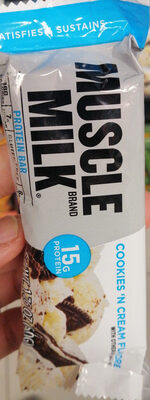 PepsiCo, Inc. (CytoSport)
Cookies 'N Cream Flavored Protein Bar, Cookies 'N Cream
360kcal
30Protein
10Fat
0.1Carbs
PepsiCo, Inc. (CytoSport)
Cookies 'N Cream Flavored Protein Bar, Cookies 'N Cream
360kcal
30Protein
10Fat
46Carbs
PepsiCo, Inc. (CytoSport)
Protein Bar, Mint Cookie Crunch
367kcal
30.6Protein
12.2Fat
42.9Carbs
PepsiCo, Inc. (CytoSport)
Peanut Butter Cookie Flavored Protein Bars, Peanut Butter Cookie
380kcal
30Protein
12Fat
44Carbs
PepsiCo, Inc. (CytoSport)
Mint Cookie Crunch Flavored Protein Bars, Mint Cookie Crunch
367kcal
30.6Protein
12.2Fat
42.9Carbs
PepsiCo, Inc. (CytoSport)
Double Rocky Road Flavored Protein Bars, Double Rocky Road
388kcal
30.6Protein
12.2Fat
44.9Carbs
PepsiCo, Inc. (CytoSport)
Cookies 'N Cream Flavored Satisfies & Sustains Protein Bars, Cookies 'N Cream
360kcal
30Protein
10Fat
46Carbs
PepsiCo, Inc. (CytoSport)
Peanut Butter Cookie Flavored Protein Bars, Peanut Butter Cookie
380kcal
30Protein
12Fat
44Carbs
PepsiCo, Inc. (CytoSport)
Cookies 'N Cream Flavored Protein Bar, Cookies 'N Cream
360kcal
30Protein
10Fat
0.1Carbs
PepsiCo, Inc. (CytoSport)
Cookies 'N Cream Flavored Protein Bar, Cookies 'N Cream
360kcal
30Protein
10Fat
46Carbs
PepsiCo, Inc. (CytoSport)
Protein Bar, Mint Cookie Crunch
367kcal
30.6Protein
12.2Fat
42.9Carbs
PepsiCo, Inc. (CytoSport)
Peanut Butter Cookie Flavored Protein Bars, Peanut Butter Cookie
380kcal
30Protein
12Fat
44Carbs
PepsiCo, Inc. (CytoSport)
Mint Cookie Crunch Flavored Protein Bars, Mint Cookie Crunch
367kcal
30.6Protein
12.2Fat
42.9Carbs
PepsiCo, Inc. (CytoSport)
Double Rocky Road Flavored Protein Bars, Double Rocky Road
388kcal
30.6Protein
12.2Fat
44.9Carbs
PepsiCo, Inc. (CytoSport)
Cookies 'N Cream Flavored Satisfies & Sustains Protein Bars, Cookies 'N Cream
360kcal
30Protein
10Fat
46Carbs
PepsiCo, Inc. (CytoSport)
Peanut Butter Cookie Flavored Protein Bars, Peanut Butter Cookie
380kcal
30Protein
12Fat
44Carbs
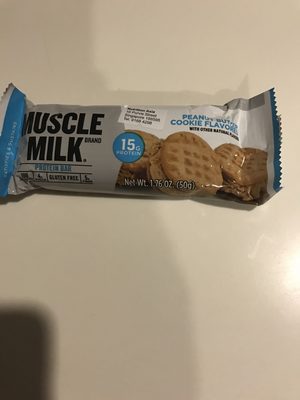 PepsiCo, Inc. (CytoSport)
Peanut Butter Cookie Flavored Protein Bar, Peanut Butter Cookie
380kcal
30Protein
12Fat
44Carbs
PepsiCo, Inc. (CytoSport)
Peanut Butter Cookie Flavored Protein Bar, Peanut Butter Cookie
380kcal
30Protein
12Fat
44Carbs