Ionic Trace Minerals
What is Ionic Trace Minerals?
Ionic trace minerals are minerals that have an electrical charge, making them easier for the body to absorb. They are naturally found in water, soil, and plants, and can be extracted or concentrated for use in food products. These minerals are essential for various bodily functions.
Is Ionic Trace Minerals vegan?
Ionic Trace Minerals is not animal-derived. Products that contain it can still include other animal-derived ingredients, so check the full ingredient list.
Is Ionic Trace Minerals a major allergen?
Not a major allergen.
What is Ionic Trace Minerals used for?
Manufacturers add ionic trace minerals to beverages like powdered drinks, sodas, and flavored waters to enhance electrolyte content and hydration.
Is Ionic Trace Minerals safe?
Ionic trace minerals are generally recognized as safe (GRAS) by the FDA when used as intended.
Why it's used
Manufacturers add ionic trace minerals to beverages like powdered drinks, sodas, and flavored waters to enhance electrolyte content and hydration. They can also be used to fortify foods and provide essential minerals that may be lacking in a typical diet.
Health notes
Ionic trace minerals are generally recognized as safe (GRAS) by the FDA when used as intended. They play vital roles in numerous physiological processes. International bodies like JECFA and EFSA have evaluated various minerals, often setting acceptable daily intakes. Evidence does not suggest adverse effects from typical dietary intake of these minerals.
Allergen info
Not a major allergen.
Foods that contain Ionic Trace Minerals
Compare products →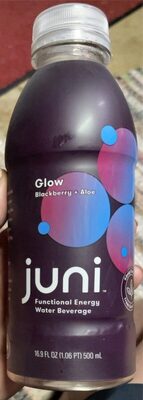
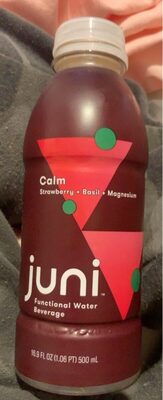
Learn more
Auto-generated content. This description was generated automatically and is pending editorial review. Inaccuracies are possible. Found a mistake? Contact us.