Japanese Apricot Extract
Auto-generated content. This description was generated automatically and is pending editorial review. Inaccuracies are possible. Found a mistake? Contact us.
What it is
Japanese apricot extract is derived from the fruit of the Japanese apricot tree (Prunus mume). The fruit is typically processed by drying or extracting its juice, which is then concentrated to create the extract. It has a unique sweet and sour flavor profile.
Why it's used
Manufacturers use Japanese apricot extract primarily as a flavoring agent to add a distinct sweet and tart taste to foods. It is often found in Asian-inspired dishes, snacks, and beverages, contributing to the overall flavor complexity.
Health notes
Japanese apricot extract is generally recognized as safe (GRAS) by the FDA for use as a food ingredient. While specific health effects at typical consumption levels are not widely documented, it contains various organic acids and antioxidants. International bodies like JECFA have evaluated similar fruit extracts, but no specific evaluations for Japanese apricot extract are readily available in public databases. Evidence regarding its health benefits or risks is limited.
Allergen info
Japanese apricot extract is not derived from any of the 9 FDA major allergens. It does not contain gluten.
Products containing Japanese Apricot Extract
Compare products →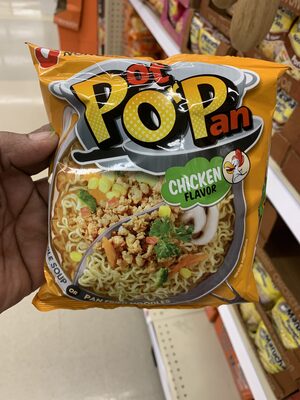 Nong Shim Co., Ltd.
Pot Porpan Noodle Soup, Chicken
High in sodium — 50% DV per serving
High in saturated fat — 40% DV per serving
436kcal
10.9Protein
14.6Fat
66.4Carbs
Nong Shim Co., Ltd.
Spicy Chicken Bowl Noodle Soup, Spicy Chicken
High in sodium — 66% DV per serving
High in saturated fat — 35% DV per serving
442kcal
9.3Protein
16.3Fat
65.1Carbs
Nong Shim Co., Ltd.
Pot Porpan Noodle Soup, Chicken
High in sodium — 50% DV per serving
High in saturated fat — 40% DV per serving
436kcal
10.9Protein
14.6Fat
66.4Carbs
Nong Shim Co., Ltd.
Spicy Chicken Bowl Noodle Soup, Spicy Chicken
High in sodium — 66% DV per serving
High in saturated fat — 35% DV per serving
442kcal
9.3Protein
16.3Fat
65.1Carbs
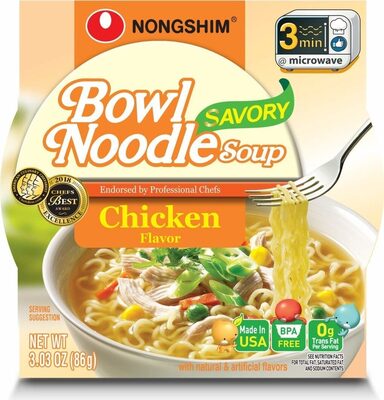 Nong Shim Co., Ltd.
Savory Chicken Flavor Bowl Noodle Soup, Savory Chicken
High in sodium — 60% DV per serving
High in saturated fat — 35% DV per serving
453kcal
10.5Protein
16.3Fat
66.3Carbs
Nong Shim Co., Ltd.
Savory Chicken Flavor Bowl Noodle Soup, Savory Chicken
High in sodium — 60% DV per serving
High in saturated fat — 35% DV per serving
453kcal
10.5Protein
16.3Fat
66.3Carbs
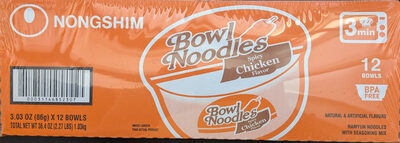 Nong Shim Co., Ltd.
Spicy Chicken Flavor Bowl Noodle Soup, Spicy Chicken
High in sodium — 66% DV per serving
High in saturated fat — 35% DV per serving
442kcal
9.3Protein
16.3Fat
65.1Carbs
Nong Shim Co., Ltd.
Spicy Chicken Flavor Bowl Noodle Soup, Spicy Chicken
High in sodium — 66% DV per serving
High in saturated fat — 35% DV per serving
442kcal
9.3Protein
16.3Fat
65.1Carbs
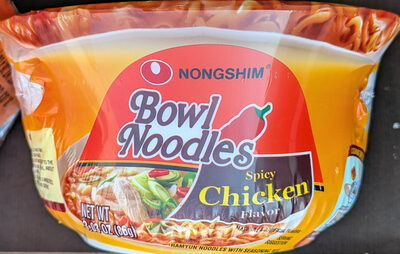 Nong Shim Co., Ltd.
Spicy Chicken Flavor Bowl Noodle Soup, Spicy Chicken Flavor
High in sodium — 66% DV per serving
High in saturated fat — 35% DV per serving
442kcal
9.3Protein
16.3Fat
65.1Carbs
Nong Shim Co., Ltd.
Spicy Chicken Flavor Bowl Noodle Soup, Spicy Chicken Flavor
High in sodium — 66% DV per serving
High in saturated fat — 35% DV per serving
442kcal
9.3Protein
16.3Fat
65.1Carbs