Kernel
What is Kernel?
A kernel is the edible inner part of a seed, nut, or fruit stone, or the whole grain of a cereal plant such as corn or wheat. These natural components are harvested from various plants and used in their whole or processed forms in food products.
Is Kernel vegan?
Kernel is not animal-derived. Products that contain it can still include other animal-derived ingredients, so check the full ingredient list.
Is Kernel a major allergen?
While "kernel" itself is not a major allergen, many specific types of kernels are among the nine major food allergens identified by the FDA, including tree nuts (e.g., almonds, walnuts) and peanuts.
What is Kernel used for?
Kernels are added to foods primarily to provide texture, flavor, and nutritional value.
Is Kernel safe?
As a general term for a natural food component, "kernel" itself is not regulated as a food additive by the FDA.
Why it's used
Kernels are added to foods primarily to provide texture, flavor, and nutritional value. They can be incorporated whole, chopped, or ground into products like baked goods, snacks, and ice cream to add crunch, richness, or a distinct taste.
Health notes
As a general term for a natural food component, "kernel" itself is not regulated as a food additive by the FDA. Specific types of kernels (e.g., corn, almonds, peanuts) are considered whole foods or food ingredients and are generally recognized as safe (GRAS) for consumption. There are no specific health implications for "kernel" as a broad category, but the health effects and allergenicity depend on the specific type of kernel used. JECFA and EFSA do not evaluate "kernel" as a food additive.
Allergen info
While "kernel" itself is not a major allergen, many specific types of kernels are among the nine major food allergens identified by the FDA, including tree nuts (e.g., almonds, walnuts) and peanuts. Consumers with allergies should check product labels for specific kernel types.
Foods that contain Kernel
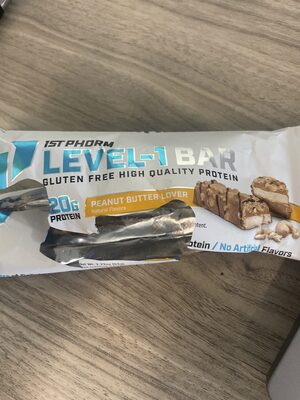
Compare products →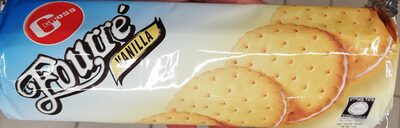
Auto-generated content. This description was generated automatically and is pending editorial review. Inaccuracies are possible. Found a mistake? Contact us.