Ketogenic Creamer Blend
What is Ketogenic Creamer Blend?
A blend of fats and emulsifiers designed to add richness and creaminess to beverages, often used as a dairy-free alternative to traditional creamers. It typically combines medium-chain triglycerides (MCTs) from coconut or palm oil with other fats and stabilizers.
Is Ketogenic Creamer Blend vegan?
Ketogenic Creamer Blend is not animal-derived. Products that contain it can still include other animal-derived ingredients, so check the full ingredient list.
Is Ketogenic Creamer Blend a major allergen?
Not a major allergen.
What is Ketogenic Creamer Blend used for?
Manufacturers add this blend to provide a creamy texture and mouthfeel in low-carbohydrate or ketogenic products like coffee, teas, and shakes.
Is Ketogenic Creamer Blend safe?
The FDA considers ingredients like MCT oil and certain emulsifiers to be Generally Recognized As Safe (GRAS) for their intended use.
Why it's used
Manufacturers add this blend to provide a creamy texture and mouthfeel in low-carbohydrate or ketogenic products like coffee, teas, and shakes. It helps to emulsify ingredients and create a smooth, rich consistency without using dairy.
Health notes
The FDA considers ingredients like MCT oil and certain emulsifiers to be Generally Recognized As Safe (GRAS) for their intended use. These fats are rapidly absorbed and can be used for energy. Regulatory bodies like JECFA and EFSA have evaluated many of the individual components of such blends. While generally considered safe in typical food amounts, excessive intake of certain fats could contribute to increased calorie consumption.
Allergen info
Not a major allergen. However, always check the specific ingredients list, as some creamers may contain added flavors or sweeteners derived from major allergens.
Foods that contain Ketogenic Creamer Blend
Compare products →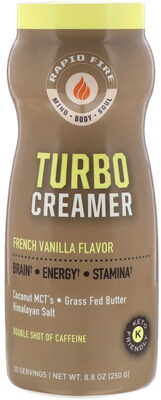
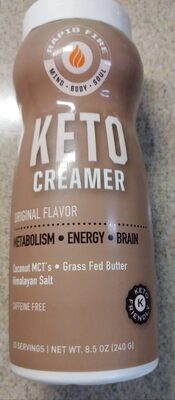
Learn more
Auto-generated content. This description was generated automatically and is pending editorial review. Inaccuracies are possible. Found a mistake? Contact us.