Koji Aspergillus Oryzae
What is Koji Aspergillus Oryzae?
Koji is a type of fungus, specifically *Aspergillus oryzae*, that is widely used in East Asian food production. It is cultivated on grains like rice or soybeans, where it produces enzymes that break down starches and proteins.
Is Koji Aspergillus Oryzae vegan?
Koji Aspergillus Oryzae is not animal-derived. Products that contain it can still include other animal-derived ingredients, so check the full ingredient list.
Is Koji Aspergillus Oryzae a major allergen?
Koji itself is a fungus and not one of the 9 FDA major allergens.
What is Koji Aspergillus Oryzae used for?
Koji is essential for fermenting foods like soy sauce, miso, and sake.
Is Koji Aspergillus Oryzae safe?
In the U.S., *Aspergillus oryzae* is generally recognized as safe (GRAS) by the FDA for use in food.
Why it's used
Koji is essential for fermenting foods like soy sauce, miso, and sake. It acts as a natural enzyme source, contributing to umami flavor, tenderizing meats, and aiding in the breakdown of complex carbohydrates and proteins in foods.
Health notes
In the U.S., *Aspergillus oryzae* is generally recognized as safe (GRAS) by the FDA for use in food. It is a key component in fermented foods that are part of traditional diets worldwide. International bodies like JECFA have evaluated *Aspergillus oryzae* and its enzymes, and EFSA has also assessed its safety for use in food production.
Allergen info
Koji itself is a fungus and not one of the 9 FDA major allergens. However, it is often grown on soy or wheat, which are major allergens, and residual amounts may be present in the final product.
Foods that contain Koji Aspergillus Oryzae
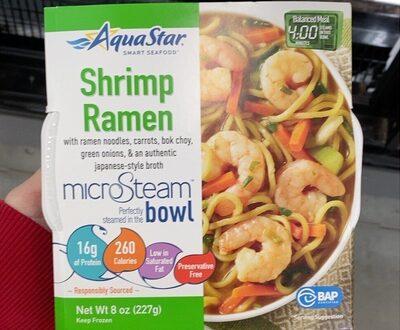
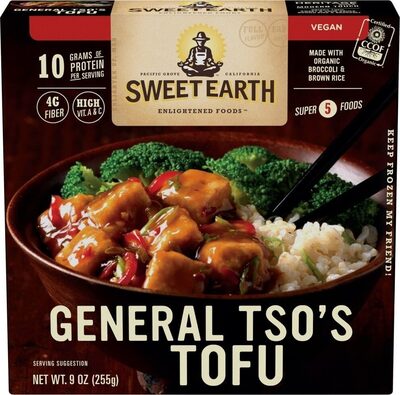
Compare products →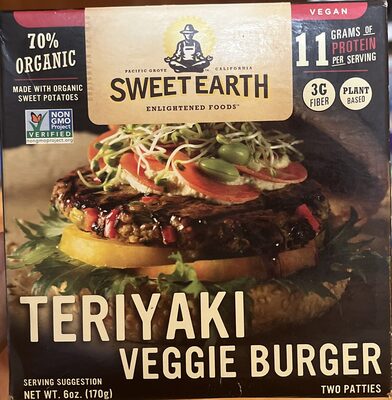
Auto-generated content. This description was generated automatically and is pending editorial review. Inaccuracies are possible. Found a mistake? Contact us.