L-carnitine
What is L-carnitine?
L-carnitine is a compound the body naturally makes from the amino acids lysine and methionine. It plays a role in energy production by helping to transport fatty acids into the mitochondria, the powerhouses of cells. It can also be produced synthetically for use in supplements and fortified foods.
Is L-carnitine vegan?
L-carnitine is not animal-derived. Products that contain it can still include other animal-derived ingredients, so check the full ingredient list.
Is L-carnitine gluten-free?
L-carnitine is not derived from any of the FDA's major allergens and does not contain gluten.
What is L-carnitine used for?
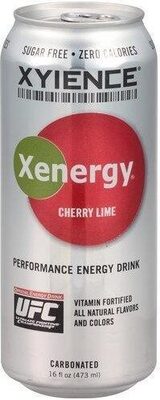
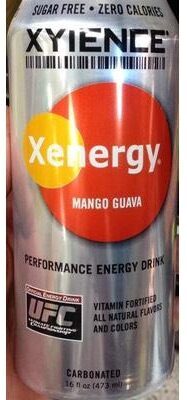
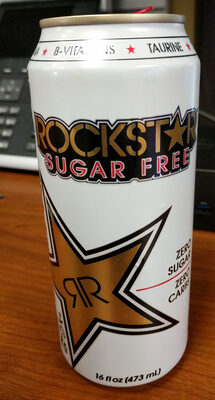
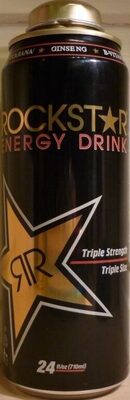
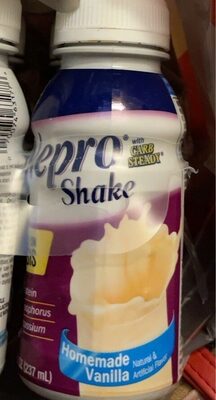
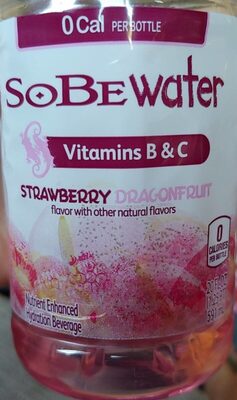
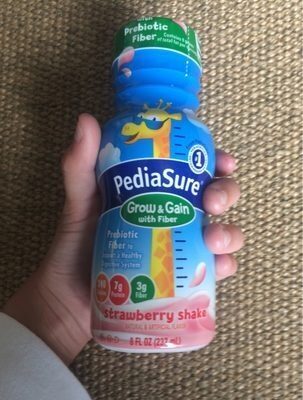
Manufacturers add L-carnitine to foods and beverages, particularly energy drinks and nutritional supplements, to boost their perceived health benefits related to energy metabolism.
Is L-carnitine safe?
L-carnitine is generally recognized as safe (GRAS) by the FDA when used as a nutrient.
Why it's used
Manufacturers add L-carnitine to foods and beverages, particularly energy drinks and nutritional supplements, to boost their perceived health benefits related to energy metabolism. It is often included in products marketed for athletic performance or weight management.
Health notes
L-carnitine is generally recognized as safe (GRAS) by the FDA when used as a nutrient. The European Food Safety Authority (EFSA) has evaluated L-carnitine and concluded that it is safe when consumed at typical dietary levels. While L-carnitine is essential for energy production, research on its effectiveness for athletic performance or weight loss in healthy individuals has yielded mixed results.
Allergen info
L-carnitine is not derived from any of the FDA's major allergens and does not contain gluten.
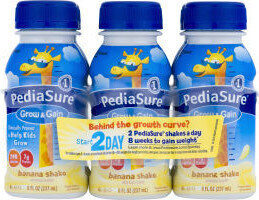
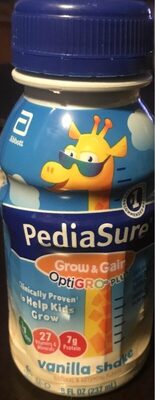
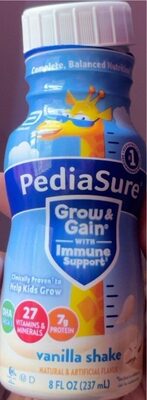
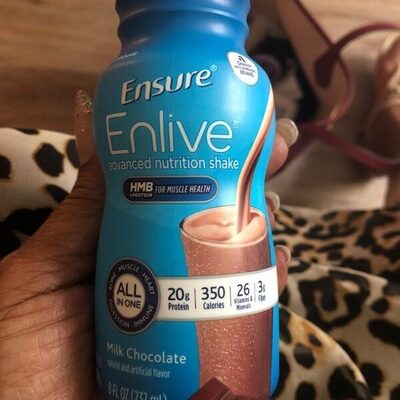
Foods that contain L-carnitine
Compare products →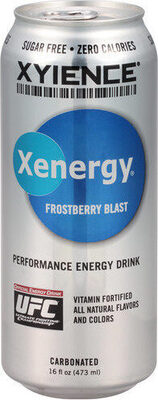



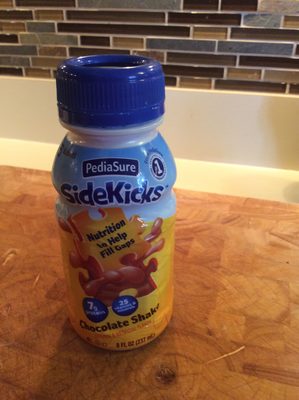
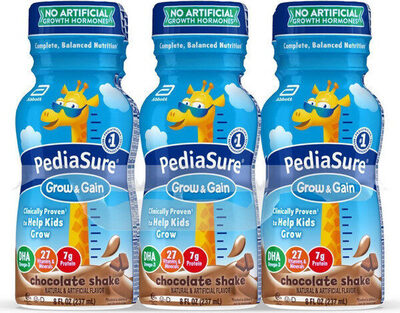
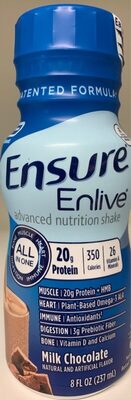
Learn more
Auto-generated content. This description was generated automatically and is pending editorial review. Inaccuracies are possible. Found a mistake? Contact us.