L-lysine
What is L-lysine?
L-lysine is an essential amino acid, meaning the body cannot make it and it must be obtained from food. It is a building block for proteins and is naturally found in many protein-rich foods like meat, fish, eggs, and dairy. Industrially, it is often produced through fermentation using microorganisms.
Is L-lysine gluten-free?
It does not contain gluten.
Is L-lysine a major allergen?
L-lysine itself is not one of the nine major allergens.
What is L-lysine used for?
L-lysine is added to foods as a nutrient supplement to boost protein content, particularly in fortified cereals and beverages.
Is L-lysine safe?
In the US, L-lysine is generally recognized as safe (GRAS) by the FDA when used as a nutrient.
Why it's used
L-lysine is added to foods as a nutrient supplement to boost protein content, particularly in fortified cereals and beverages. It can also be used as a flavor enhancer in some savory products. Its presence is most common in specialty dietary foods, protein supplements, and some beverages.
Health notes
In the US, L-lysine is generally recognized as safe (GRAS) by the FDA when used as a nutrient. It is an essential component of a healthy diet. International bodies like JECFA have evaluated lysine and established acceptable daily intake levels. Evidence does not suggest adverse health effects from typical dietary intake of L-lysine.
Allergen info
L-lysine itself is not one of the nine major allergens. It is not derived from milk, egg, fish, shellfish, tree nuts, peanuts, wheat, soy, or sesame. It does not contain gluten.
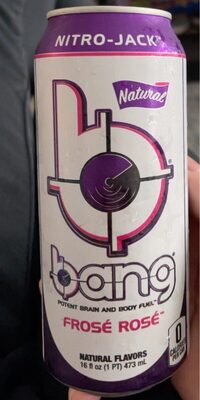
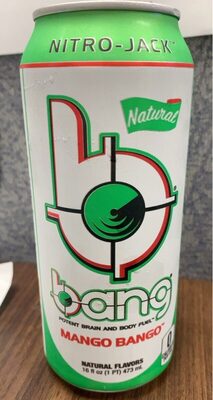
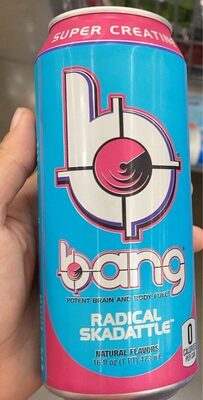
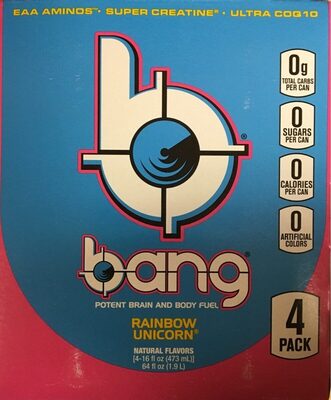
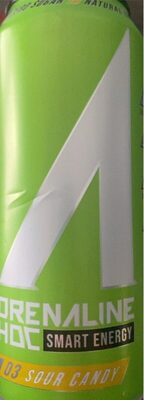
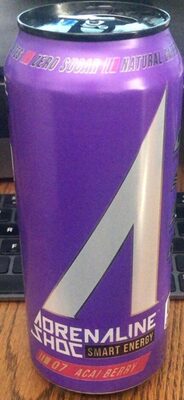
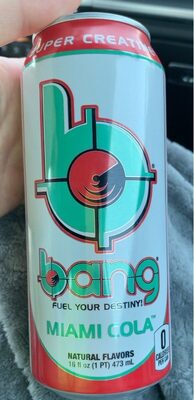
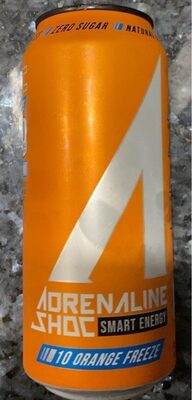
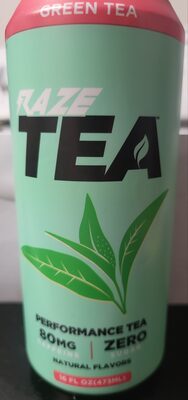
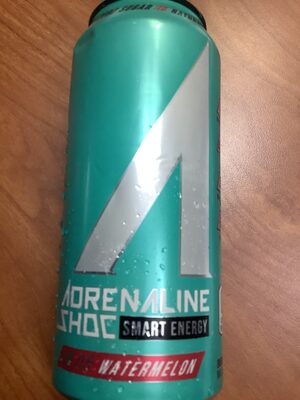
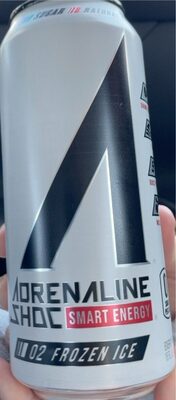
Foods that contain L-lysine
Compare products →







Learn more
Auto-generated content. This description was generated automatically and is pending editorial review. Inaccuracies are possible. Found a mistake? Contact us.