L-methionine
Auto-generated content. This description was generated automatically and is pending editorial review. Inaccuracies are possible. Found a mistake? Contact us.
What it is
L-methionine is an essential amino acid, meaning the body cannot make it and it must be obtained from food. It is a building block for proteins and is found naturally in many protein-rich foods like meat, fish, eggs, and dairy. It can be produced industrially through chemical synthesis.
Why it's used
L-methionine is often added to foods as a nutritional supplement, particularly in infant formulas and medical foods, to ensure adequate intake of this essential amino acid. It may also be used as a precursor in the synthesis of other compounds and can contribute to flavor profiles in some applications.
Health notes
In the U.S., L-methionine is generally recognized as safe (GRAS) by the FDA when used for nutritional purposes. International bodies like JECFA have evaluated L-methionine, and EFSA has also assessed its safety. While essential, very high intakes of methionine have been linked to certain health concerns in research, but typical dietary intakes are not associated with adverse effects. Evidence regarding specific health outcomes at typical consumption levels is generally considered reassuring.
Allergen info
L-methionine is not a major allergen. It is not derived from any of the nine FDA major allergens (milk, egg, fish, shellfish, tree nuts, peanuts, wheat, soy, sesame). It does not contain gluten.
Products containing L-methionine
Compare products →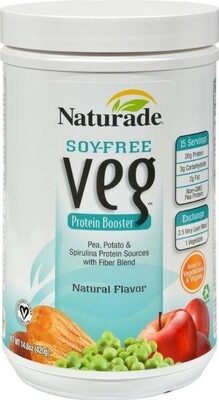 Prevention, LLC
Naturade, Soy-Free Veg Protein Booster
393kcal
71.4Protein
7.1Fat
10.7Carbs
Bristol-Myers Squibb/Mead Johnson Nutritionals
Vanilla Amino Acid-Based Nutrition Medical Food Powder, Vanilla
490kcal
13.7Protein
22Fat
59Carbs
Prevention, LLC
Naturade, Soy-Free Veg Protein Booster
393kcal
71.4Protein
7.1Fat
10.7Carbs
Bristol-Myers Squibb/Mead Johnson Nutritionals
Vanilla Amino Acid-Based Nutrition Medical Food Powder, Vanilla
490kcal
13.7Protein
22Fat
59Carbs
 Vital Pharmaceuticals, Inc.
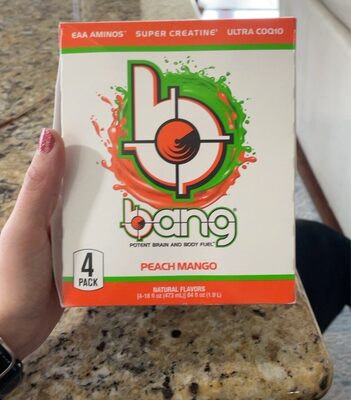
Peach Mango Energy Drink, Peach Mango
0kcal
0Protein
0Fat
0Carbs
Vital Pharmaceuticals, Inc.
Peach Mango Energy Drink, Peach Mango
0kcal
0Protein
0Fat
0Carbs
 Vital Pharmaceuticals, Inc.
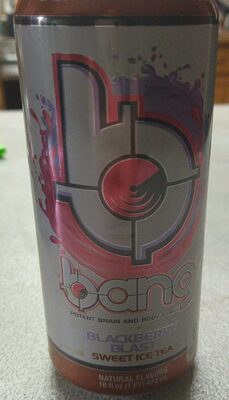
Blackberry Blast Sweet Ice Tea, Blackberry Blast
0kcal
0Protein
0Fat
0Carbs
Vital Pharmaceuticals, Inc.
Blackberry Blast Sweet Ice Tea, Blackberry Blast
0kcal
0Protein
0Fat
0Carbs
 Vital Pharmaceuticals, Inc.
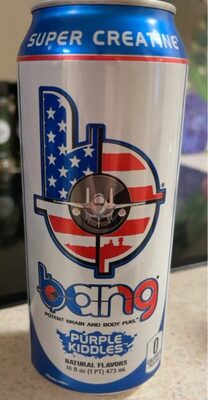
Potent Brain And Body Fuel
0kcal
0Protein
0Fat
0Carbs
Vital Pharmaceuticals, Inc.
Potent Brain And Body Fuel
0kcal
0Protein
0Fat
0Carbs
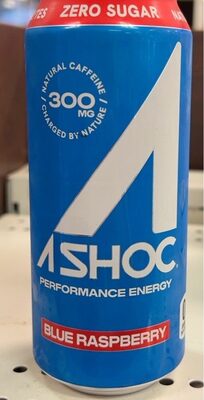 A SHOC BEVERAGE, LLC
Blue Raspberry Energy Drink, Blue Raspberry
2kcal
0Protein
0Fat
0.2Carbs
A SHOC BEVERAGE, LLC
Blue Raspberry Energy Drink, Blue Raspberry
2kcal
0Protein
0Fat
0.2Carbs
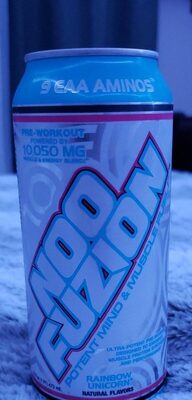 Vital Pharmaceuticals, Inc.
Rainbow Unicorn Potent Mind & Muscle Fuel, Rainbow Unicorn
1kcal
0Protein
0Fat
0Carbs
Vital Pharmaceuticals, Inc.
Rainbow Unicorn Potent Mind & Muscle Fuel, Rainbow Unicorn
1kcal
0Protein
0Fat
0Carbs
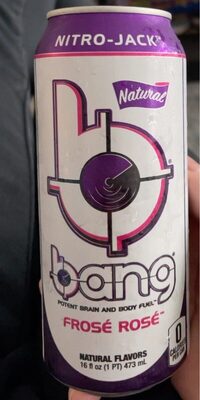 Vital Pharmaceuticals, Inc.
Frose Rose Energy Drink, Frose Rose
0kcal
0Protein
0Fat
0Carbs
Vital Pharmaceuticals, Inc.
Frose Rose Energy Drink, Frose Rose
0kcal
0Protein
0Fat
0Carbs
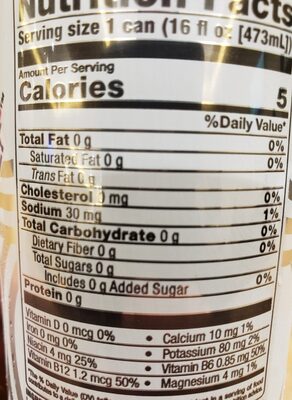 Vital Pharmaceuticals, Inc.
Frose Rose Potent Mind & Muscle Fuel Energy Drink, Frose Rose
1kcal
0Protein
0Fat
0Carbs
Vital Pharmaceuticals, Inc.
Frose Rose Potent Mind & Muscle Fuel Energy Drink, Frose Rose
1kcal
0Protein
0Fat
0Carbs
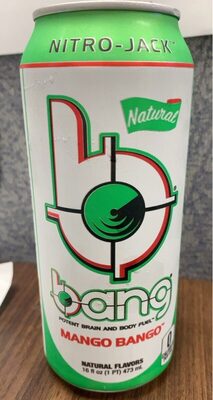 Vital Pharmaceuticals, Inc.
Mango Bango Natural Energy Drink, Mango Bango
0kcal
0Protein
0Fat
0Carbs
Vital Pharmaceuticals, Inc.
Radical Skadattle Potent Mind & Muscle Fuel! Energy Blend!, Radical Skadattle
1kcal
0Protein
0Fat
0Carbs
Vital Pharmaceuticals, Inc.
Mango Bango Natural Energy Drink, Mango Bango
0kcal
0Protein
0Fat
0Carbs
Vital Pharmaceuticals, Inc.
Radical Skadattle Potent Mind & Muscle Fuel! Energy Blend!, Radical Skadattle
1kcal
0Protein
0Fat
0Carbs