Lactase
What is Lactase?
Lactase is an enzyme naturally found in the digestive system of mammals, including humans. It is produced by the cells lining the small intestine. In food production, lactase is typically manufactured through fermentation using yeast or bacteria, and then purified.
Is Lactase vegan?
Lactase is not animal-derived. Products that contain it can still include other animal-derived ingredients, so check the full ingredient list.
Is Lactase gluten-free?
Lactase is not derived from gluten-containing grains.
Is Lactase a major allergen?
Lactase itself is not one of the 9 FDA major allergens.
What is Lactase used for?
Lactase is added to dairy products to break down lactose, the natural sugar in milk.
Is Lactase safe?
In the US, lactase is Generally Recognized As Safe (GRAS) by the FDA for its intended use as a food ingredient.
Why it's used
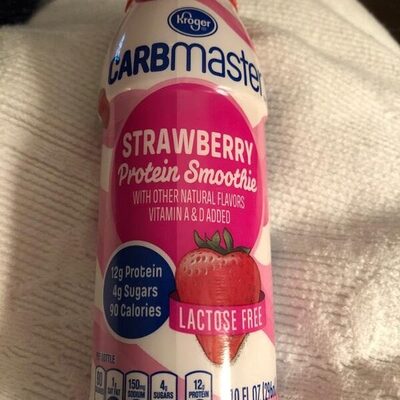
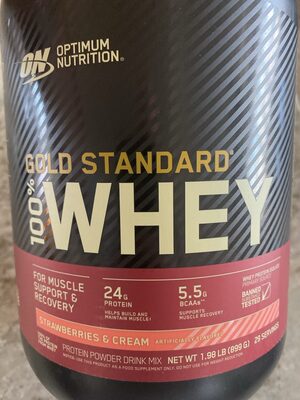
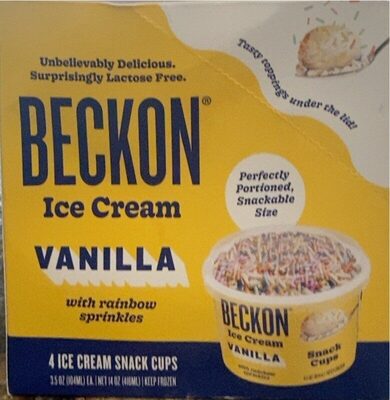
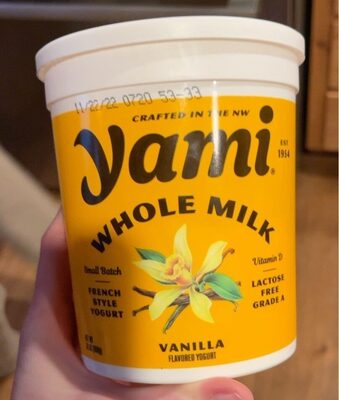
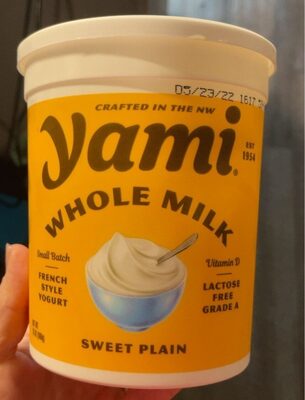
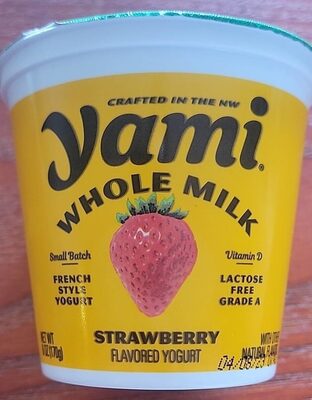
Lactase is added to dairy products to break down lactose, the natural sugar in milk. This makes the product easier to digest for people with lactose intolerance. It is commonly found in lactose-free milk, yogurt, ice cream, and cheese.
Health notes
In the US, lactase is Generally Recognized As Safe (GRAS) by the FDA for its intended use as a food ingredient. It aids in the digestion of lactose and is not associated with adverse health effects when consumed as part of food. International bodies like JECFA have also evaluated lactase, and EFSA has assessed its safety. No significant controversies surround its use.
Allergen info
Lactase itself is not one of the 9 FDA major allergens. However, it is often used in dairy products, which are major allergens. Lactase is not derived from gluten-containing grains.
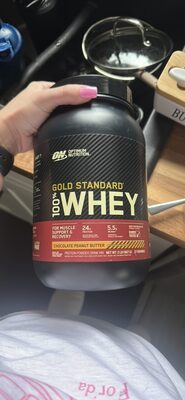
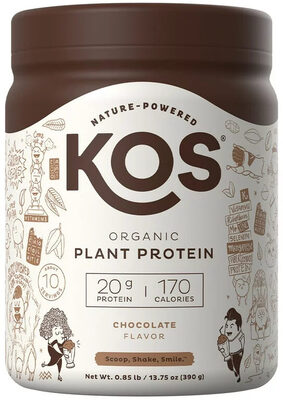
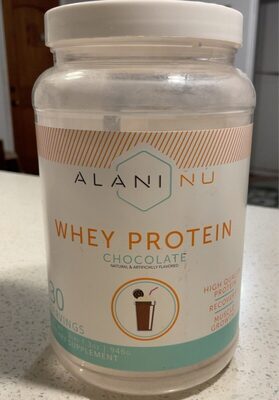
Foods that contain Lactase
Compare products →





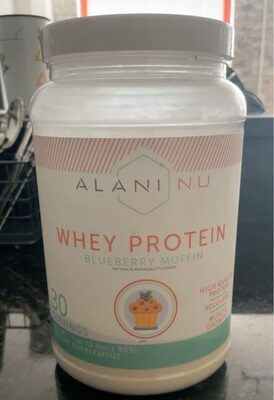
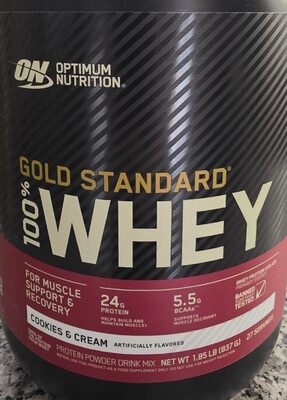
Auto-generated content. This description was generated automatically and is pending editorial review. Inaccuracies are possible. Found a mistake? Contact us.