Lactic Acid And Dairy Cultures
What is Lactic Acid And Dairy Cultures?
Lactic acid is a naturally occurring organic acid. It is produced by the fermentation of carbohydrates, such as sugars, by lactic acid bacteria. Dairy cultures are specific strains of these bacteria, often used to produce fermented dairy products.
Is Lactic Acid And Dairy Cultures vegan?
No. Lactic Acid And Dairy Cultures is animal-derived, so it is not vegan.
Is Lactic Acid And Dairy Cultures gluten-free?
It does not contain gluten.
Is Lactic Acid And Dairy Cultures a major allergen?
Lactic acid itself is not a major allergen.
What is Lactic Acid And Dairy Cultures used for?
Lactic acid and dairy cultures are used to add a tangy or sour flavor to foods.
Is Lactic Acid And Dairy Cultures safe?
Lactic acid is generally recognized as safe (GRAS) by the FDA for use in food.
Why it's used
Lactic acid and dairy cultures are used to add a tangy or sour flavor to foods. They also act as acidity regulators, helping to control pH levels, and can contribute to preservation by inhibiting the growth of spoilage microorganisms. They are commonly found in dairy products like yogurt and cheese, as well as in baked goods and processed meats.
Health notes
Lactic acid is generally recognized as safe (GRAS) by the FDA for use in food. It is a natural byproduct of metabolism in the body. International bodies like JECFA and EFSA have evaluated lactic acid and its salts, and have established acceptable daily intakes. No significant health concerns are associated with its consumption at typical dietary levels.
Allergen info
Lactic acid itself is not a major allergen. However, if produced using dairy cultures or added to dairy products, it may be present in foods that contain milk, which is a major allergen. It does not contain gluten.
Foods that contain Lactic Acid And Dairy Cultures
Compare products →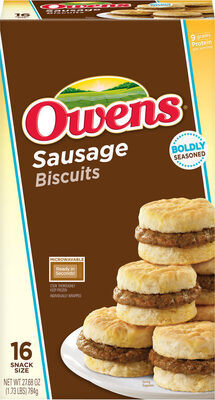 Owens Foods Inc.
Sausage Biscuits, Sausage
High in sodium — 26% DV per serving
High in saturated fat — 50% DV per serving
347kcal
9.2Protein
22.4Fat
24.5Carbs
Owens Foods Inc.
Sausage Biscuits, Sausage
High in sodium — 26% DV per serving
High in saturated fat — 50% DV per serving
347kcal
9.2Protein
22.4Fat
24.5Carbs
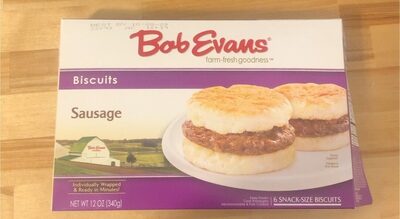 Bob Evans Farms Inc
Sausage Snack-Size Biscuits, Sausage
High in sodium — 28% DV per serving
High in saturated fat — 60% DV per serving
345kcal
9.7Protein
23.9Fat
21.2Carbs
Owens Foods Inc.
Sausage Biscuits
High in sodium — 28% DV per serving
High in saturated fat — 60% DV per serving
345kcal
—Protein
23.9Fat
21.2Carbs
Owens Foods Inc.
Sausage Biscuits, Sausage
High in sodium — 28% DV per serving
High in saturated fat — 60% DV per serving
345kcal
9.7Protein
23.9Fat
21.2Carbs
Bob Evans Farms Inc
Sausage Snack-Size Biscuits, Sausage
High in sodium — 28% DV per serving
High in saturated fat — 60% DV per serving
345kcal
9.7Protein
23.9Fat
21.2Carbs
Owens Foods Inc.
Sausage Biscuits
High in sodium — 28% DV per serving
High in saturated fat — 60% DV per serving
345kcal
—Protein
23.9Fat
21.2Carbs
Owens Foods Inc.
Sausage Biscuits, Sausage
High in sodium — 28% DV per serving
High in saturated fat — 60% DV per serving
345kcal
9.7Protein
23.9Fat
21.2Carbs
Auto-generated content. This description was generated automatically and is pending editorial review. Inaccuracies are possible. Found a mistake? Contact us.