Lactic Acid And Less Than 1/10% Sodium Benzoate
What is Lactic Acid And Less Than 1/10% Sodium Benzoate?
Lactic acid is an organic acid naturally found in dairy products and produced by the fermentation of carbohydrates. It can be produced commercially through bacterial fermentation of sugars or by chemical synthesis.
Is Lactic Acid And Less Than 1/10% Sodium Benzoate a major allergen?
Not a major allergen.
What is Lactic Acid And Less Than 1/10% Sodium Benzoate used for?
Lactic acid and its salts are used as acidity regulators, preservatives, and flavor enhancers in a variety of foods.
Is Lactic Acid And Less Than 1/10% Sodium Benzoate safe?
Lactic acid is Generally Recognized As Safe (GRAS) by the FDA.
Why it's used
Lactic acid and its salts are used as acidity regulators, preservatives, and flavor enhancers in a variety of foods. Sodium benzoate is a common preservative that prevents the growth of mold, yeast, and bacteria. They are often found together in processed foods like frozen dinners and entrees.
Health notes
Lactic acid is Generally Recognized As Safe (GRAS) by the FDA. Sodium benzoate is also GRAS when used within specified limits. The FDA has evaluated sodium benzoate and set limits for its use. JECFA has also evaluated both substances. Some studies have explored the potential health effects of sodium benzoate, particularly in combination with artificial colors, but the evidence is mixed.
Allergen info
Not a major allergen. Lactic acid can be derived from dairy, but the final product is typically purified.
Foods that contain Lactic Acid And Less Than 1/10% Sodium Benzoate
Compare products →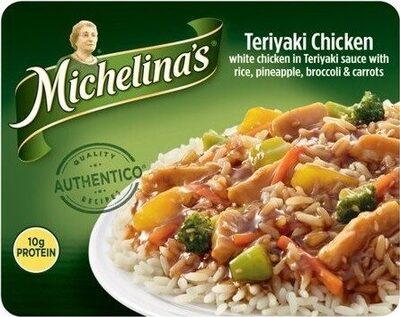 Bellisio Foods Inc
Teriyaki Chicken
High in sodium — 36% DV per serving
137kcal
4.8Protein
1.3Fat
26.4Carbs
Bellisio Foods Inc
Asian Style Cuisine, Teriyaki Chicken
High in sodium — 36% DV per serving
137kcal
4.4Protein
1.3Fat
26.4Carbs
Simply Asia Foods, Inc.
White Meat Chicken And Rice Noodles In A Savory, Spicy Sauce Featuring Thai Chiles And Thai Basil, Spicy Thai Basil Chicken
High in sodium — 31% DV per serving
124kcal
5.0Protein
1.6Fat
21.6Carbs
Bellisio Foods Inc
Michelina's, Lean Gourmet, Beef & Peppers
High in sodium — 34% DV per serving
123kcal
4.4Protein
2.2Fat
21.1Carbs
Bellisio Foods Inc
Teriyaki Chicken
High in sodium — 36% DV per serving
137kcal
4.8Protein
1.3Fat
26.4Carbs
Bellisio Foods Inc
Asian Style Cuisine, Teriyaki Chicken
High in sodium — 36% DV per serving
137kcal
4.4Protein
1.3Fat
26.4Carbs
Simply Asia Foods, Inc.
White Meat Chicken And Rice Noodles In A Savory, Spicy Sauce Featuring Thai Chiles And Thai Basil, Spicy Thai Basil Chicken
High in sodium — 31% DV per serving
124kcal
5.0Protein
1.6Fat
21.6Carbs
Bellisio Foods Inc
Michelina's, Lean Gourmet, Beef & Peppers
High in sodium — 34% DV per serving
123kcal
4.4Protein
2.2Fat
21.1Carbs
Auto-generated content. This description was generated automatically and is pending editorial review. Inaccuracies are possible. Found a mistake? Contact us.