Lactic Cultures
Auto-generated content. This description was generated automatically and is pending editorial review. Inaccuracies are possible. Found a mistake? Contact us.
What it is
Lactic cultures are live microorganisms, typically bacteria, that are used to ferment foods. They are often derived from dairy or plant sources and are essential for creating the characteristic flavors and textures of many fermented products.
Why it's used
Manufacturers use lactic cultures to produce fermented foods like yogurt, cheese, and sauerkraut, where they contribute to flavor development, preservation, and texture. They are also used in some baked goods and beverages to enhance taste and digestibility.
Health notes
Lactic cultures are generally recognized as safe (GRAS) by the FDA for use in food. These live microorganisms are often considered beneficial for gut health, though research is ongoing. International bodies like JECFA and EFSA have evaluated various lactic acid bacteria strains, often finding them safe for consumption without setting specific numerical limits.
Allergen info
Lactic cultures themselves are not a major allergen. However, if derived from dairy, they may be present in products containing milk, which is a major allergen.
Products containing Lactic Cultures
Compare products →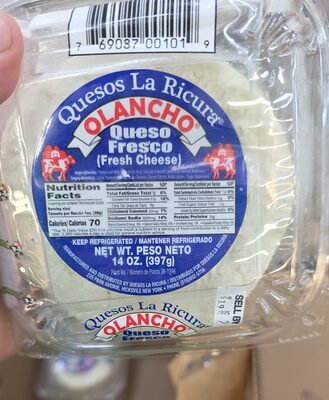 Quesos La Ricura
Fresh Cheese
250kcal
17.9Protein
21.4Fat
3.6Carbs
Quesos La Ricura
Fresh Cheese
250kcal
17.9Protein
21.4Fat
3.6Carbs
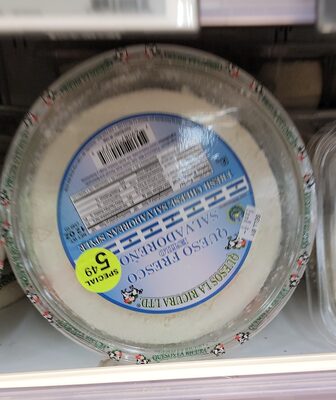 Quesos La Ricura
, Queso Fresco Salvadorian Fresh Cheese
286kcal
17.9Protein
21.4Fat
0Carbs
Quesos La Ricura
Quesos La Ricura, Queso Fresco Salvadorian Fresh Cheese
286kcal
17.9Protein
21.4Fat
0Carbs
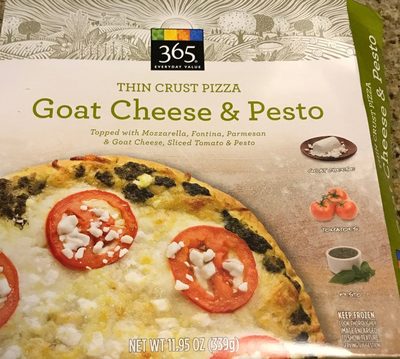 Whole Foods Market, Inc.
Goat Cheese & Pesto Thin Crust Pizza, Goat Cheese & Pesto
High in sodium — 27% DV per serving
High in saturated fat — 30% DV per serving
283kcal
11.5Protein
13.3Fat
30.1Carbs
Whole Foods Market, Inc.
Goat Cheese & Pesto Thin Crust Pizza, Goat Cheese & Pesto
High in sodium — 27% DV per serving
High in saturated fat — 30% DV per serving
283kcal
11.5Protein
13.3Fat
30.1Carbs