Lactic Starter Culture
Auto-generated content. This description was generated automatically and is pending editorial review. Inaccuracies are possible. Found a mistake? Contact us.
What it is
Lactic starter cultures are live microorganisms, typically bacteria, used to ferment foods. They are grown in a controlled environment and then added to food products to initiate or enhance the fermentation process.
Why it's used
Manufacturers add lactic starter cultures to produce desirable flavors, textures, and preservation in foods like yogurt, cheese, and sourdough bread. They are essential for the characteristic tangy taste and firm texture of many dairy products and baked goods.
Health notes
Lactic starter cultures are generally recognized as safe (GRAS) by the FDA for use in food. These bacteria are often beneficial, contributing to gut health, and are a key component of fermented foods. International bodies like JECFA and EFSA have evaluated starter cultures, generally considering them safe for their intended use. There are no widespread controversies regarding their consumption at typical levels.
Allergen info
Lactic starter cultures themselves are not a major allergen. However, if derived from milk, they may be a concern for individuals with milk allergies.
Products containing Lactic Starter Culture
Compare products →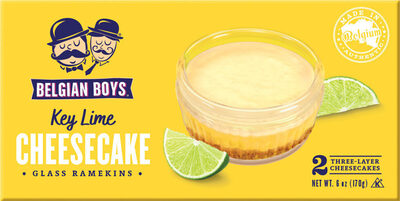 Belgian Boys USA LLC
Key Lime Three-Layer Cheesecake, Key Lime
High in saturated fat — 55% DV per serving
High in cholesterol — 28% DV per serving
365kcal
4.7Protein
23.5Fat
35.3Carbs
Belgian Boys USA LLC
Key Lime Three-Layer Cheesecake, Key Lime
High in saturated fat — 55% DV per serving
High in cholesterol — 28% DV per serving
365kcal
4.7Protein
23.5Fat
35.3Carbs
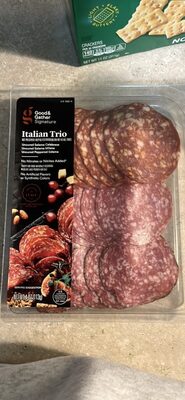 Target Stores
Italian Trio Uncured Salame Calabrese, Uncured Salame Milano, Uncured Peppered Salame, Italian Trio
High in sodium — 21% DV per serving
357kcal
28.6Protein
25Fat
3.6Carbs
Target Stores
Italian Trio Uncured Salame Calabrese, Uncured Salame Milano, Uncured Peppered Salame, Italian Trio
High in sodium — 21% DV per serving
357kcal
28.6Protein
25Fat
3.6Carbs
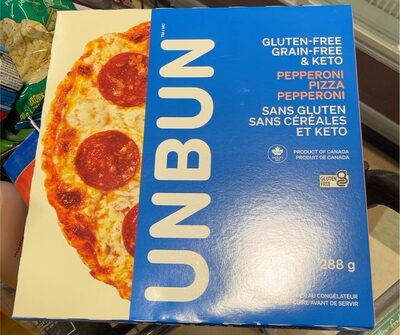 Pepperoni Pizza, Pepperoni
High in sodium — 36% DV per serving
High in saturated fat — 25% DV per serving
174kcal
11.8Protein
10.4Fat
19.4Carbs
Target Stores
Spinach & Feta Cheese Pizza With Organic Spinach And Feta & Mozzarella Cheeses On A Wood-Fired, Hand Stretched Crust, Spinach & Feta Cheese
High in sodium — 31% DV per serving
High in saturated fat — 25% DV per serving
203kcal
13.0Protein
7.2Fat
23.9Carbs
Target Stores
Three Cheese Pizza With Organic Emmentaler, Mozzarella & Aged Cheeses On A Wood-Fired, Hand Stretched Crust, Three Cheese
High in saturated fat — 35% DV per serving
228kcal
10.2Protein
8.7Fat
29.9Carbs
Target Stores
Harvest Pumpkin Sauce Wood-Fired Flatbread Pizza With Mozzarella & Feta Cheeses, Red Onion & Arugula, Harvest Pumpkin Sauce
High in sodium — 28% DV per serving
High in saturated fat — 25% DV per serving
220kcal
9.1Protein
8.3Fat
27.3Carbs
Pepperoni Pizza, Pepperoni
High in sodium — 36% DV per serving
High in saturated fat — 25% DV per serving
174kcal
11.8Protein
10.4Fat
19.4Carbs
Target Stores
Spinach & Feta Cheese Pizza With Organic Spinach And Feta & Mozzarella Cheeses On A Wood-Fired, Hand Stretched Crust, Spinach & Feta Cheese
High in sodium — 31% DV per serving
High in saturated fat — 25% DV per serving
203kcal
13.0Protein
7.2Fat
23.9Carbs
Target Stores
Three Cheese Pizza With Organic Emmentaler, Mozzarella & Aged Cheeses On A Wood-Fired, Hand Stretched Crust, Three Cheese
High in saturated fat — 35% DV per serving
228kcal
10.2Protein
8.7Fat
29.9Carbs
Target Stores
Harvest Pumpkin Sauce Wood-Fired Flatbread Pizza With Mozzarella & Feta Cheeses, Red Onion & Arugula, Harvest Pumpkin Sauce
High in sodium — 28% DV per serving
High in saturated fat — 25% DV per serving
220kcal
9.1Protein
8.3Fat
27.3Carbs