Lactic Starter Cultures
Auto-generated content. This description was generated automatically and is pending editorial review. Inaccuracies are possible. Found a mistake? Contact us.
What it is
Lactic starter cultures are live microorganisms, primarily bacteria, used to ferment foods. They are carefully selected strains of bacteria, often from the Lactobacillus, Lactococcus, or Streptococcus families, grown under controlled conditions. These cultures convert sugars into lactic acid, which is key to developing the characteristic flavors and textures of many fermented foods.
Why it's used
Manufacturers add lactic starter cultures to produce the tangy flavor and firm texture in dairy products like cheese and yogurt, and also in butter. They are essential for the fermentation process that gives these foods their unique taste and shelf life.
Health notes
Lactic starter cultures are generally recognized as safe (GRAS) by the FDA for use in food. They are considered beneficial by some health organizations as they can contribute to a healthy gut microbiome. International bodies like JECFA have evaluated starter cultures, and EFSA has also reviewed their safety. Evidence suggests they are safe and potentially beneficial when consumed as part of a balanced diet.
Allergen info
Lactic starter cultures themselves are not derived from the major allergens. However, they are often used in dairy products, which are a major allergen. Gluten is not typically associated with lactic starter cultures.
Products containing Lactic Starter Cultures
Compare products →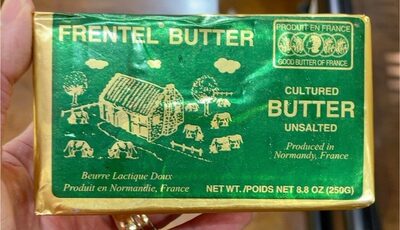 Edinburgh Clothing Company, LLC
Unsalted Cultured Butter, Unsalted
High in saturated fat — 40% DV per serving
743kcal
0Protein
78.6Fat
0Carbs
Edinburgh Clothing Company, LLC
Salted Cultured Butter, Salted
729kcal
0Protein
78.6Fat
0Carbs
Russell McCall's Inc.
Gouda Cheese Wedges, Gouda
High in saturated fat — 30% DV per serving
371kcal
25.7Protein
31.4Fat
0Carbs
Rudy Dell'Osso
Garlic & Herb Goat Cheese, Garlic & Herb
250kcal
14.3Protein
21.4Fat
3.6Carbs
Rudy Dell'Osso
Natural Goat Cheese
High in saturated fat — 20% DV per serving
286kcal
14.3Protein
21.4Fat
3.6Carbs
Edinburgh Clothing Company, LLC
Unsalted Cultured Butter, Unsalted
High in saturated fat — 40% DV per serving
743kcal
0Protein
78.6Fat
0Carbs
Edinburgh Clothing Company, LLC
Salted Cultured Butter, Salted
729kcal
0Protein
78.6Fat
0Carbs
Russell McCall's Inc.
Gouda Cheese Wedges, Gouda
High in saturated fat — 30% DV per serving
371kcal
25.7Protein
31.4Fat
0Carbs
Rudy Dell'Osso
Garlic & Herb Goat Cheese, Garlic & Herb
250kcal
14.3Protein
21.4Fat
3.6Carbs
Rudy Dell'Osso
Natural Goat Cheese
High in saturated fat — 20% DV per serving
286kcal
14.3Protein
21.4Fat
3.6Carbs