Pasteurized Milk & Cream
What is Pasteurized Milk & Cream?
Pasteurized milk and cream are dairy products made from cow's milk. Pasteurization is a process that heats milk and cream to a specific temperature for a set period to kill harmful bacteria. This process extends shelf life and makes the products safer for consumption.
Is Pasteurized Milk & Cream vegan?
No. Pasteurized Milk & Cream is animal-derived, so it is not vegan.
Is Pasteurized Milk & Cream a major allergen?
Milk is one of the 9 major allergens identified by the FDA.
What is Pasteurized Milk & Cream used for?
Milk and cream are used in a wide variety of foods for their rich flavor and creamy texture.
Is Pasteurized Milk & Cream safe?
Pasteurized milk and cream are considered safe for consumption by the FDA.
Why it's used
Milk and cream are used in a wide variety of foods for their rich flavor and creamy texture. They act as a base for sauces, soups, and desserts, and add moisture and fat to baked goods. They are also commonly found in ice cream, yogurt, and cheese.
Health notes
Pasteurized milk and cream are considered safe for consumption by the FDA. They are a natural source of calcium, vitamin D (often fortified), and protein. While generally recognized as safe (GRAS) for consumption, they are a major allergen for some individuals. International bodies like JECFA have evaluated dairy products.
Allergen info
Milk is one of the 9 major allergens identified by the FDA. Pasteurized milk and cream are derived directly from milk and are therefore a major allergen.
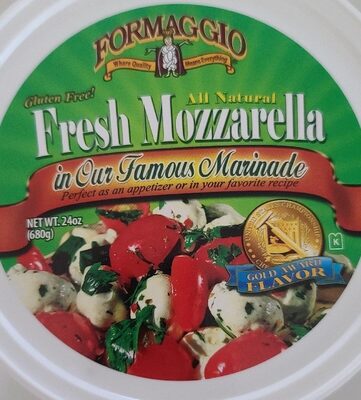
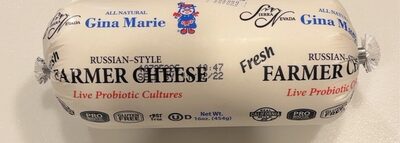
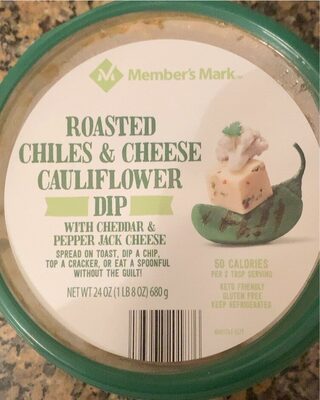
Foods that contain Pasteurized Milk & Cream
Compare products →
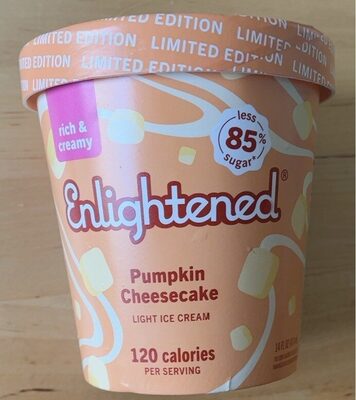

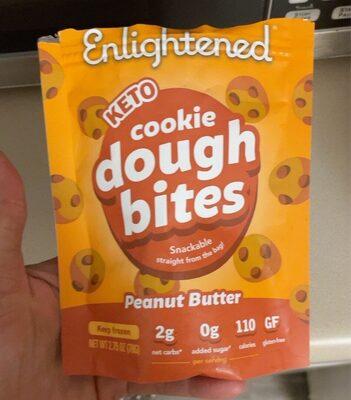 Enlightened
Peanut Butter Keto Cookie Dough Bites, Peanut Butter
367kcal
20Protein
26.7Fat
36.7Carbs
Learn more
Auto-generated content. This description was generated automatically and is pending editorial review. Inaccuracies are possible. Found a mistake? Contact us.