Lactose And Milk Protein
What is Lactose And Milk Protein?
Lactose is a sugar found naturally in milk, while milk protein is the collective term for proteins like casein and whey found in milk. Both are derived from cow's milk. They are often separated from milk during cheese or yogurt production.
Is Lactose And Milk Protein vegan?
No. Lactose And Milk Protein is animal-derived, so it is not vegan.
Is Lactose And Milk Protein gluten-free?
Gluten is not present.
Is Lactose And Milk Protein a major allergen?
Milk is one of the 9 FDA major allergens.
What is Lactose And Milk Protein used for?
Manufacturers use lactose and milk protein for their nutritional content and to improve texture and mouthfeel in foods.
Is Lactose And Milk Protein safe?
Lactose is a major carbohydrate in milk and is generally recognized as safe (GRAS) by the FDA.
Why it's used
Manufacturers use lactose and milk protein for their nutritional content and to improve texture and mouthfeel in foods. They can also act as binders and contribute to browning in baked goods. These ingredients are commonly found in dairy products, baked goods, and processed meals.
Health notes
Lactose is a major carbohydrate in milk and is generally recognized as safe (GRAS) by the FDA. Milk protein is also a common food ingredient. Some individuals are lactose intolerant, meaning they have difficulty digesting lactose, which can lead to digestive discomfort. JECFA and EFSA have evaluated lactose and milk proteins. There are no widespread controversies regarding their use in typical food amounts.
Allergen info
Milk is one of the 9 FDA major allergens. Therefore, lactose and milk protein are considered major allergens. Gluten is not present.
Foods that contain Lactose And Milk Protein
Compare products →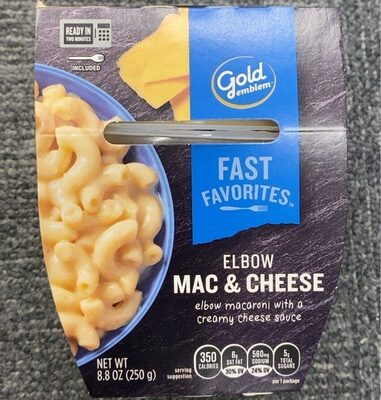 CVS Pharmacy, Inc.
Elbow Macaroni With A Creamy Cheese Sauce, Elbow Mac & Cheese
High in sodium — 24% DV per serving
High in saturated fat — 30% DV per serving
140kcal
5.6Protein
4Fat
20.4Carbs
CVS Pharmacy, Inc.
Elbow Macaroni With A Creamy Cheese Sauce, Elbow Mac & Cheese
High in sodium — 24% DV per serving
High in saturated fat — 30% DV per serving
140kcal
5.6Protein
4Fat
20.4Carbs
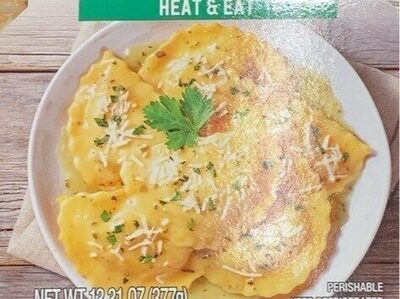 Wal-Mart Stores, Inc.
Butternut Squash Ravioli With Brown Butter Sage Sauce, Butternut Squash
High in sodium — 75% DV per serving
High in saturated fat — 90% DV per serving
High in cholesterol — 48% DV per serving
188kcal
5.0Protein
8.5Fat
22.3Carbs
Wal-Mart Stores, Inc.
Butternut Squash Ravioli With Brown Butter Sage Sauce, Butternut Squash
High in sodium — 67% DV per serving
High in saturated fat — 80% DV per serving
High in cholesterol — 43% DV per serving
191kcal
5.3Protein
8.5Fat
23.2Carbs
Price Chopper Supermarkets
Tiramisu Gelato, Tiramisu
High in saturated fat — 25% DV per serving
112kcal
0.8Protein
4.8Fat
16.8Carbs
Wal-Mart Stores, Inc.
Butternut Squash Ravioli With Brown Butter Sage Sauce, Butternut Squash
High in sodium — 75% DV per serving
High in saturated fat — 90% DV per serving
High in cholesterol — 48% DV per serving
188kcal
5.0Protein
8.5Fat
22.3Carbs
Wal-Mart Stores, Inc.
Butternut Squash Ravioli With Brown Butter Sage Sauce, Butternut Squash
High in sodium — 67% DV per serving
High in saturated fat — 80% DV per serving
High in cholesterol — 43% DV per serving
191kcal
5.3Protein
8.5Fat
23.2Carbs
Price Chopper Supermarkets
Tiramisu Gelato, Tiramisu
High in saturated fat — 25% DV per serving
112kcal
0.8Protein
4.8Fat
16.8Carbs
Learn more
Auto-generated content. This description was generated automatically and is pending editorial review. Inaccuracies are possible. Found a mistake? Contact us.