Lard And Partially Hydrogenated Lard
What is Lard And Partially Hydrogenated Lard?
Lard is a semi-solid fat obtained from pigs. It is rendered, meaning the fat is melted and separated from other tissues. Partially hydrogenated lard is lard that has undergone a process called partial hydrogenation, which changes the chemical structure of some of its fats to make them more solid at room temperature and extend shelf life.
Is Lard And Partially Hydrogenated Lard vegan?
No. Lard And Partially Hydrogenated Lard is animal-derived, so it is not vegan.
Is Lard And Partially Hydrogenated Lard a major allergen?
Not a major allergen.
What is Lard And Partially Hydrogenated Lard used for?
Lard is used in cooking and baking to add flavor, moisture, and a flaky texture to pastries, pie crusts, and fried foods.
Is Lard And Partially Hydrogenated Lard safe?
Lard is generally recognized as safe (GRAS) by the FDA.
Why it's used
Lard is used in cooking and baking to add flavor, moisture, and a flaky texture to pastries, pie crusts, and fried foods. Partially hydrogenated lard serves similar purposes, often providing a desirable texture and stability in products like refried beans, baked goods, and snack foods.
Health notes
Lard is generally recognized as safe (GRAS) by the FDA. However, partially hydrogenated oils (PHOs), which include partially hydrogenated lard, are no longer considered GRAS by the FDA since 2018. This change was due to concerns about artificial trans fats, which PHOs contain, and their association with increased risk of heart disease. JECFA has evaluated various fats and oils, including those containing trans fatty acids, noting concerns about their impact on health.
Allergen info
Not a major allergen.
Foods that contain Lard And Partially Hydrogenated Lard
Compare products →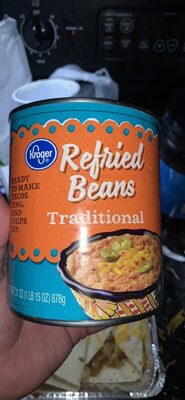 The Kroger Co.
Traditional Refried Beans
108kcal
5.4Protein
1.9Fat
16.9Carbs
The Kroger Co.
Traditional Refried Beans
108kcal
5.4Protein
1.9Fat
16.9Carbs
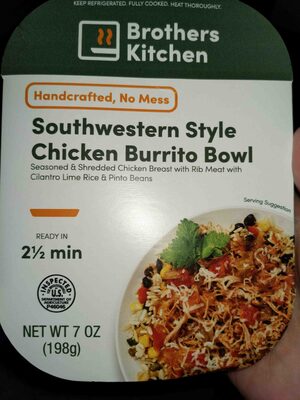 Roth Industries, LLC
Southwestern Style Chicken Burrito Seasoned & Shredded Chicken Breast With Rib Meat With Cilantro Lime Rice & Pinto Beans Bowl, Southwestern Style Chicken Burrito
101kcal
6.6Protein
2.0Fat
12.6Carbs
Bush Brothers & Company
Bush's Best, Refried Black Beans
115kcal
6.2Protein
2.3Fat
17.7Carbs
Bush Brothers & Company
Refried Beans
High in sodium — 21% DV per serving
115kcal
6.9Protein
2.3Fat
18.5Carbs
The Kroger Co.
Refried Beans, Spicy
High in sodium — 30% DV per serving
100kcal
5.4Protein
1.9Fat
15.4Carbs
The Kroger Co.
Seasoned Black Refried Beans
92kcal
4.6Protein
1.1Fat
16.9Carbs
Roth Industries, LLC
Southwestern Style Chicken Burrito Seasoned & Shredded Chicken Breast With Rib Meat With Cilantro Lime Rice & Pinto Beans Bowl, Southwestern Style Chicken Burrito
101kcal
6.6Protein
2.0Fat
12.6Carbs
Bush Brothers & Company
Bush's Best, Refried Black Beans
115kcal
6.2Protein
2.3Fat
17.7Carbs
Bush Brothers & Company
Refried Beans
High in sodium — 21% DV per serving
115kcal
6.9Protein
2.3Fat
18.5Carbs
The Kroger Co.
Refried Beans, Spicy
High in sodium — 30% DV per serving
100kcal
5.4Protein
1.9Fat
15.4Carbs
The Kroger Co.
Seasoned Black Refried Beans
92kcal
4.6Protein
1.1Fat
16.9Carbs
Learn more
Auto-generated content. This description was generated automatically and is pending editorial review. Inaccuracies are possible. Found a mistake? Contact us.