Lard With BHT
Auto-generated content. This description was generated automatically and is pending editorial review. Inaccuracies are possible. Found a mistake? Contact us.
What it is
Lard is a semi-solid white fat derived from the fatty tissue of pigs. It is rendered by heating the fat to melt it, then cooling it to a solid state. BHT (butylated hydroxytoluene) is a synthetic antioxidant sometimes added to lard.
Why it's used
Lard provides a desirable texture and flavor in baked goods and fried foods. BHT is added to prevent fats and oils from becoming rancid, extending the shelf life of the lard and the products it's used in. It's commonly found in baked goods, fried items, and processed meats.
Health notes
Lard is a source of fat and calories. BHT is approved by the FDA as a food additive. The FDA has stated that BHT is generally recognized as safe (GRAS) when used according to regulations. EFSA has also evaluated BHT. Some studies have raised questions about the long-term effects of BHT, while others have found it safe at typical consumption levels.
Allergen info
Lard is derived from pork and is not a major allergen. BHT is synthetic and not an allergen. Gluten is not present.
Products containing Lard With BHT
Compare products →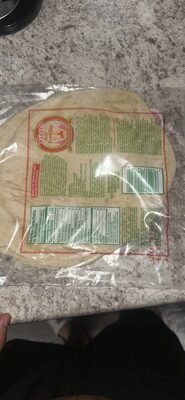 Fiesta Mexican Foods Inc
Flour Tortillas
298kcal
6.4Protein
10.6Fat
44.7Carbs
Fiesta Mexican Foods Inc
Flour Tortillas
320kcal
8Protein
10Fat
44Carbs
Fiesta Mexican Foods Inc
Flour Tortillas
298kcal
6.4Protein
10.6Fat
44.7Carbs
Fiesta Mexican Foods Inc
Flour Tortillas
320kcal
8Protein
10Fat
44Carbs
 Fiesta Mexican Foods Inc
Flour Tortillas
308kcal
7.7Protein
9.6Fat
46.1Carbs
Fiesta Mexican Foods Inc
Flour Tortillas
308kcal
7.7Protein
9.6Fat
42.3Carbs
Conagra Frozen Foods
Cinnamon Berry Pie, Cinnamon Berry
High in sodium — 26% DV per serving
High in saturated fat — 35% DV per serving
222kcal
2.0Protein
8.1Fat
34.9Carbs
Fiesta Mexican Foods Inc
Flour Tortillas
308kcal
7.7Protein
9.6Fat
46.1Carbs
Fiesta Mexican Foods Inc
Flour Tortillas
308kcal
7.7Protein
9.6Fat
42.3Carbs
Conagra Frozen Foods
Cinnamon Berry Pie, Cinnamon Berry
High in sodium — 26% DV per serving
High in saturated fat — 35% DV per serving
222kcal
2.0Protein
8.1Fat
34.9Carbs