Leavening Blend
What is Leavening Blend?
A leavening blend is a mixture of ingredients, typically including a chemical leavening agent like baking soda or baking powder, and often an acidifying agent such as cream of tartar or sodium aluminum sulfate. These components react when mixed with liquid and/or heat to produce carbon dioxide gas. This gas causes doughs and batters to rise, creating a lighter and airier texture in baked goods.
Is Leavening Blend a major allergen?
Not a major allergen.
What is Leavening Blend used for?
Manufacturers add leavening blends to baked goods to make them rise and achieve a desirable texture.
Is Leavening Blend safe?
Leavening blends are generally recognized as safe (GRAS) by the FDA for use in food.
Why it's used
Manufacturers add leavening blends to baked goods to make them rise and achieve a desirable texture. They are essential for creating the light, fluffy structure found in cakes, cookies, muffins, breads, and pastries. The specific blend is chosen to control the rate of gas production and the final texture of the product.
Health notes
Leavening blends are generally recognized as safe (GRAS) by the FDA for use in food. The individual components are used in small amounts, and are not typically associated with adverse health effects at the levels found in food. International bodies like JECFA have evaluated many of these ingredients. Evidence does not suggest health concerns at typical dietary intakes.
Allergen info
Not a major allergen. Some leavening blends may contain wheat starch or other ingredients that could be derived from major allergens, but the leavening agents themselves are not.
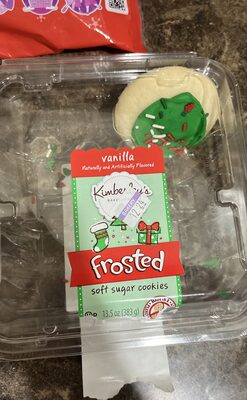
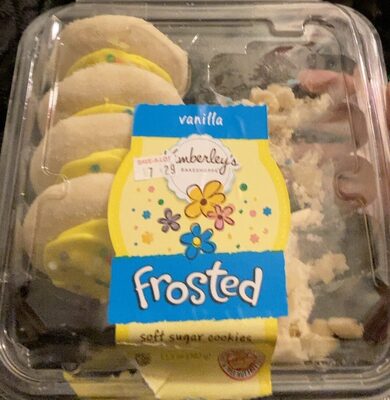
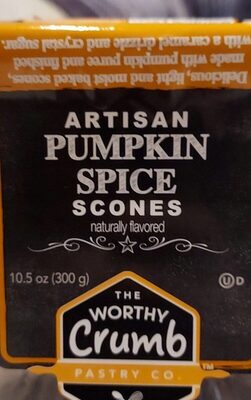
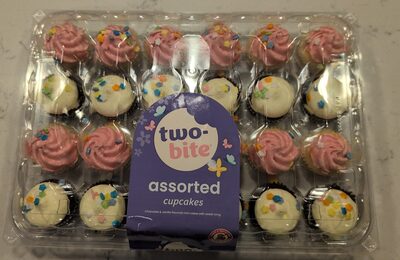
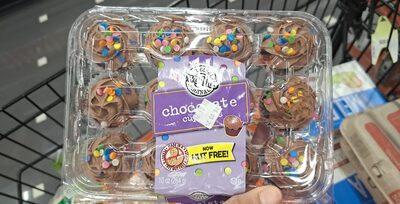
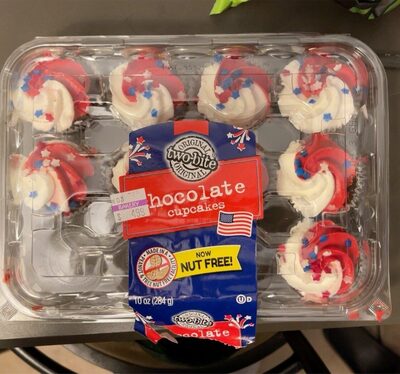
Foods that contain Leavening Blend
Compare products →


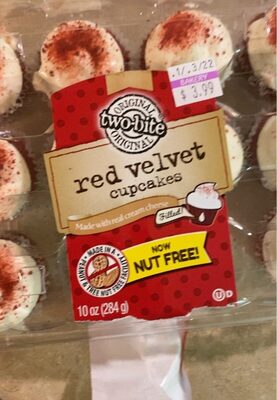

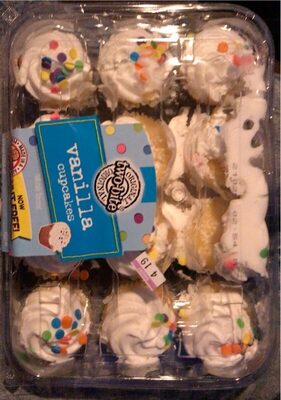





Auto-generated content. This description was generated automatically and is pending editorial review. Inaccuracies are possible. Found a mistake? Contact us.