Lemongrass
Auto-generated content. This description was generated automatically and is pending editorial review. Inaccuracies are possible. Found a mistake? Contact us.
What it is
Lemongrass is a tall, perennial grass native to tropical regions of Asia. It has a distinct citrusy aroma and flavor, often described as lemony. The edible parts are the lower stalk and bulb, which are commonly used fresh or dried in cooking and teas.
Why it's used
Lemongrass is primarily used as a flavoring agent in foods and beverages due to its bright, citrus-like taste. It is a popular ingredient in Asian cuisines, particularly in soups, curries, marinades, and teas. Manufacturers add it to enhance the overall flavor profile of products like sauces, frozen meals, and herbal blends.
Health notes
Lemongrass is Generally Recognized As Safe (GRAS) by the FDA for use as a food flavoring. While it contains various plant compounds that may have health benefits, research is ongoing. International bodies like JECFA have evaluated lemongrass and its extracts. At typical dietary intake levels, it is not associated with adverse health effects.
Allergen info
Lemongrass is not one of the nine FDA major allergens. It does not contain gluten.
Products containing Lemongrass
Compare products →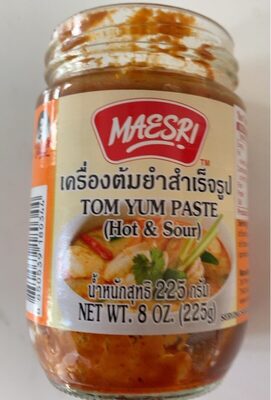 NAMPRIK MAESRI LTD.
Namprik Maesri Ltd., Tom Yum Paste, Hot & Sour
281kcal
0Protein
21.9Fat
18.8Carbs
CELESTIAL SEASONINGS
Caffeine Free Tension Tamer
0kcal
0Protein
0Fat
0Carbs
COST PLUS
Cost Plus, Thai Salsa
17kcal
0Protein
0Fat
6.7Carbs
NAMPRIK MAESRI LTD.
Namprik Maesri Ltd., Tom Yum Paste, Hot & Sour
281kcal
0Protein
21.9Fat
18.8Carbs
CELESTIAL SEASONINGS
Caffeine Free Tension Tamer
0kcal
0Protein
0Fat
0Carbs
COST PLUS
Cost Plus, Thai Salsa
17kcal
0Protein
0Fat
6.7Carbs
 MAESRI
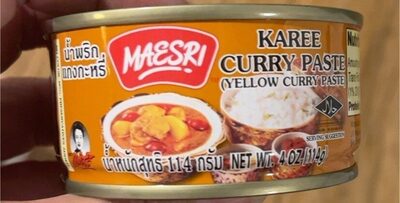
Maesri, Yellow Curry Paste
High in sodium — 25% DV per serving
176kcal
0Protein
8.8Fat
23.5Carbs
MAESRI
Maesri, Yellow Curry Paste
High in sodium — 25% DV per serving
176kcal
0Protein
8.8Fat
23.5Carbs
 MAESRI
Maesri, Thai Noodle Sauce (Namya)
High in sodium — 40% DV per serving
140kcal
8.8Protein
7.0Fat
8.8Carbs
MAESRI
Maesri, Thai Noodle Sauce (Namya)
High in sodium — 40% DV per serving
140kcal
8.8Protein
7.0Fat
8.8Carbs
 SINGABERA
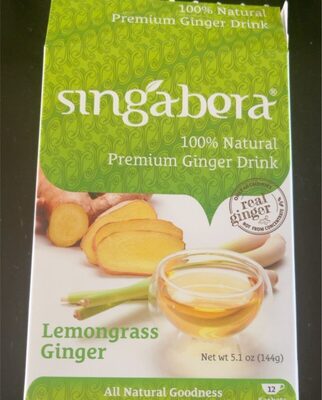
100% Natural Premium Ginger Drink
400kcal
0Protein
0Fat
100Carbs
Tadin Herb & Tea Co.
Tadin, Zendo, Dieter's Herbal Tea
0kcal
0Protein
0Fat
0Carbs
NANG FAH (TUE KUNG)
Nang Fah (Tue Kung), Minced Crab In Spices
260kcal
6.7Protein
20Fat
13.3Carbs
V.THAI FOOD PRODUCT CO., LTD.
Madam Pum, Instant Red Curry With Coconut Milk
207kcal
0Protein
20Fat
6.7Carbs
BANGKOK COOKIES
Bangkok Cookies, Thai Rice Crackers, Tom Yum
500kcal
3.3Protein
23.3Fat
66.7Carbs
SINGABERA
100% Natural Premium Ginger Drink
400kcal
0Protein
0Fat
100Carbs
Tadin Herb & Tea Co.
Tadin, Zendo, Dieter's Herbal Tea
0kcal
0Protein
0Fat
0Carbs
NANG FAH (TUE KUNG)
Nang Fah (Tue Kung), Minced Crab In Spices
260kcal
6.7Protein
20Fat
13.3Carbs
V.THAI FOOD PRODUCT CO., LTD.
Madam Pum, Instant Red Curry With Coconut Milk
207kcal
0Protein
20Fat
6.7Carbs
BANGKOK COOKIES
Bangkok Cookies, Thai Rice Crackers, Tom Yum
500kcal
3.3Protein
23.3Fat
66.7Carbs