Less Than 0.10% Sodium Benzoate
Auto-generated content. This description was generated automatically and is pending editorial review. Inaccuracies are possible. Found a mistake? Contact us.
What it is
Sodium benzoate is a salt of benzoic acid, a chemical that occurs naturally in some fruits like cranberries and plums. It is typically manufactured industrially by reacting toluene with chlorine and then neutralizing the resulting benzotrichloride with sodium hydroxide or sodium carbonate.
Why it's used
Sodium benzoate is used as a preservative to inhibit the growth of bacteria, yeast, and mold. It is often found in acidic foods and beverages, such as salad dressings, carbonated drinks, jams, fruit juices, and pickles.
Health notes
In the U.S., sodium benzoate is generally recognized as safe (GRAS) by the FDA when used according to good manufacturing practices. It has been evaluated by international bodies like JECFA and EFSA. Some studies have explored its potential effects, particularly in combination with ascorbic acid (Vitamin C), but the evidence is mixed and not conclusive regarding significant health impacts at typical consumption levels.
Allergen info
Sodium benzoate is not derived from any of the nine major allergens and does not contain gluten.
Products containing Less Than 0.10% Sodium Benzoate
Compare products →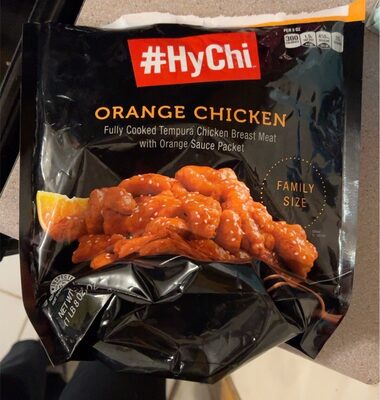 Hy-Vee, Inc.
Orange Chicken Fully Cooked Tempura Chicken Breast Meat With Orange Sauce Packet, Orange Chicken
High in sodium — 20% DV per serving
214kcal
9.3Protein
5.7Fat
—Carbs
Hy-Vee, Inc.
Orange Chicken Fully Cooked Tempura Chicken Breast Meat With Orange Sauce Packet, Orange Chicken
High in sodium — 20% DV per serving
214kcal
9.3Protein
5.7Fat
—Carbs
 Supervalu, Inc.
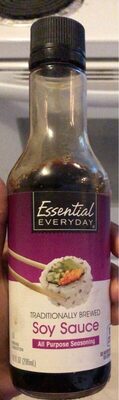
Soy Sauce
67kcal
13.3Protein
0Fat
6.7Carbs
Supervalu, Inc.
Soy Sauce
67kcal
13.3Protein
0Fat
6.7Carbs
 Supervalu, Inc.
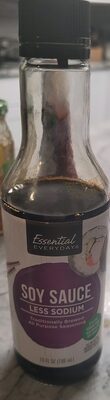
Traditionally Brewed Soy Sauce
High in sodium — 25% DV per serving
67kcal
6.7Protein
0Fat
6.7Carbs
Schnuck Markets, Inc.
Stir Fry Sauce, Stir Fry
High in sodium — 23% DV per serving
111kcal
5.6Protein
0Fat
22.2Carbs
Supervalu, Inc.
Traditionally Brewed Soy Sauce
High in sodium — 25% DV per serving
67kcal
6.7Protein
0Fat
6.7Carbs
Schnuck Markets, Inc.
Stir Fry Sauce, Stir Fry
High in sodium — 23% DV per serving
111kcal
5.6Protein
0Fat
22.2Carbs
 Food Town Stores Inc.
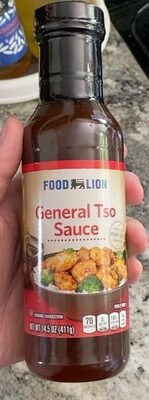
General Tso Sauce, General Tso
High in added sugars — 28% DV per serving
—kcal
0Protein
0Fat
44.4Carbs
Food Town Stores Inc.
General Tso Sauce, General Tso
High in added sugars — 28% DV per serving
—kcal
0Protein
0Fat
44.4Carbs
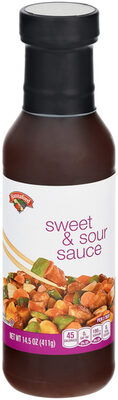 Hannaford Bros. Co.
Sweet & Sour Sauce, Sweet & Sour
129kcal
0Protein
0Fat
28.6Carbs
Hannaford Bros. Co.
Sweet & Sour Sauce, Sweet & Sour
129kcal
0Protein
0Fat
28.6Carbs
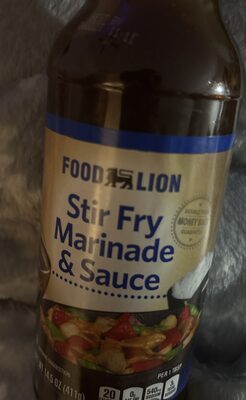 Food Town Stores Inc.
Stir Fry Marinade & Sauce, Stir Fry
High in sodium — 23% DV per serving
111kcal
5.6Protein
0Fat
22.2Carbs
Food Town Stores Inc.
Stir Fry Marinade & Sauce, Stir Fry
High in sodium — 23% DV per serving
111kcal
5.6Protein
0Fat
22.2Carbs
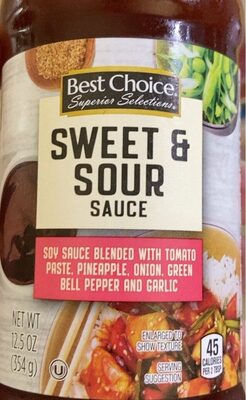 Associated Wholesale Grocers, Inc.
Sweet & Sour Sauce, Sweet & Sour
129kcal
0Protein
0Fat
28.6Carbs
Associated Wholesale Grocers, Inc.
Sweet & Sour Sauce, Sweet & Sour
129kcal
0Protein
0Fat
28.6Carbs