Less Than 1.5% - Cheese Blend
What is Less Than 1.5% - Cheese Blend?
A cheese blend is a mixture of different cheeses, often including cheddar, and sometimes other dairy ingredients like whey or milk solids. These blends are created to achieve a specific flavor profile, texture, and meltability for use in processed foods.
Is Less Than 1.5% - Cheese Blend vegan?
No. Less Than 1.5% - Cheese Blend is animal-derived, so it is not vegan.
Is Less Than 1.5% - Cheese Blend gluten-free?
They are not a source of gluten.
Is Less Than 1.5% - Cheese Blend a major allergen?
Cheese blends are derived from milk, which is one of the 9 FDA major allergens.
What is Less Than 1.5% - Cheese Blend used for?
Manufacturers use cheese blends to impart a cheesy flavor and aroma to a variety of snack foods, such as chips, pretzels, and crackers.
Is Less Than 1.5% - Cheese Blend safe?
Cheese blends are generally recognized as safe (GRAS) by the FDA when used as food ingredients.
Why it's used
Manufacturers use cheese blends to impart a cheesy flavor and aroma to a variety of snack foods, such as chips, pretzels, and crackers. They can also contribute to the texture and appearance of baked goods.
Health notes
Cheese blends are generally recognized as safe (GRAS) by the FDA when used as food ingredients. They are a source of protein and calcium. Regulatory bodies like EFSA have evaluated various cheese components, but specific health implications are tied to the overall diet rather than the blend itself. Excessive intake of sodium, often found in cheese products, is a general health concern.
Allergen info
Cheese blends are derived from milk, which is one of the 9 FDA major allergens. They are not a source of gluten.
Foods that contain Less Than 1.5% - Cheese Blend
Compare products →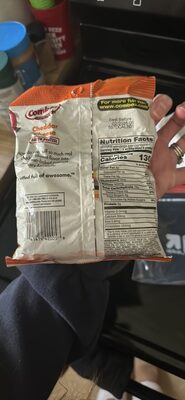 Mars Chocolate North America LLC
Cheddar Cheese Pretzel, Cheddar Cheese
464kcal
7.1Protein
17.9Fat
67.9Carbs
Mars Chocolate North America LLC
Cheddar Cheese Pretzel, Cheddar Cheese
464kcal
7.1Protein
17.9Fat
67.9Carbs
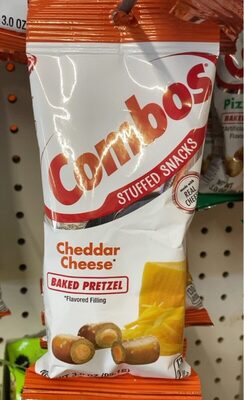 Mars Chocolate North America LLC
Cheddar Cheese Baked Pretzel, Cheddar Cheese
464kcal
7.1Protein
17.9Fat
67.9Carbs
Mars Chocolate North America LLC
Baked Snacks Pretzel, Cheddar Cheese
464kcal
7.1Protein
17.9Fat
67.9Carbs
Mars Chocolate North America LLC
Cheddar Cheese Pretzel, Cheddar Cheese
464kcal
7.1Protein
17.9Fat
67.9Carbs
Mars Chocolate North America LLC
Cheddar Cheese Baked Pretzel, Cheddar Cheese
464kcal
7.1Protein
17.9Fat
67.9Carbs
Mars Chocolate North America LLC
Baked Snacks Pretzel, Cheddar Cheese
464kcal
7.1Protein
17.9Fat
67.9Carbs
Mars Chocolate North America LLC
Cheddar Cheese Pretzel, Cheddar Cheese
464kcal
7.1Protein
17.9Fat
67.9Carbs
Learn more
Auto-generated content. This description was generated automatically and is pending editorial review. Inaccuracies are possible. Found a mistake? Contact us.