Less Than 2%: Pork Fat
What is Less Than 2%: Pork Fat?
Pork fat is the fat rendered from a pig. It is a traditional cooking ingredient that can be solid at room temperature or liquid when melted. It is primarily composed of triglycerides.
Is Less Than 2%: Pork Fat vegan?
No. Less Than 2%: Pork Fat is animal-derived, so it is not vegan.
Is Less Than 2%: Pork Fat a major allergen?
Not a major allergen.
What is Less Than 2%: Pork Fat used for?
Manufacturers add pork fat to foods for flavor, moisture, and texture.
Is Less Than 2%: Pork Fat safe?
Pork fat is a traditional food ingredient and is generally recognized as safe (GRAS) by the FDA.
Why it's used
Manufacturers add pork fat to foods for flavor, moisture, and texture. It is often used in savory dishes like beans, as a cooking oil, or in baked goods to create flaky textures. Its rich flavor enhances many traditional recipes.
Health notes
Pork fat is a traditional food ingredient and is generally recognized as safe (GRAS) by the FDA. It is high in saturated fat and cholesterol. The 2025-2030 Dietary Guidelines for Americans recommend limiting saturated fat intake to less than 10% of daily calories. While some studies have linked high intake of saturated fats to increased risk of heart disease, other research suggests the overall dietary pattern is more important than individual nutrients. JECFA and EFSA typically evaluate food additives, not whole food ingredients like pork fat.
Allergen info
Not a major allergen.
Foods that contain Less Than 2%: Pork Fat
Compare products →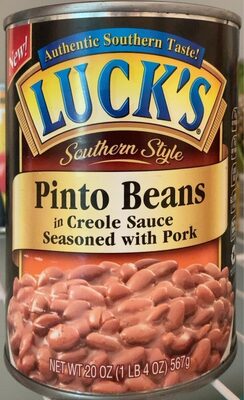
Learn more
Auto-generated content. This description was generated automatically and is pending editorial review. Inaccuracies are possible. Found a mistake? Contact us.